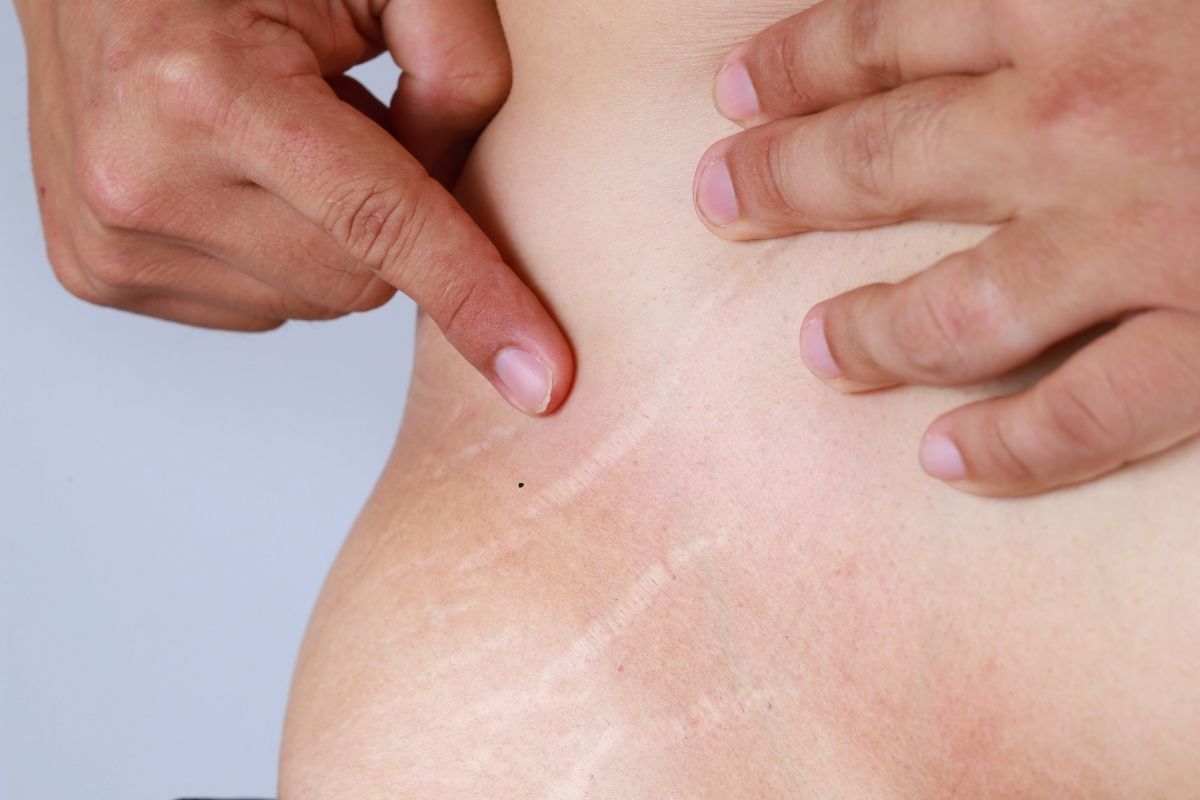
Stretch marks can develop at different stages of life, commonly due to pregnancy, adolescence, rapid weight gain or loss, or other significant changes in body size. Their appearance can vary depending on factors such as skin type, age and how long the stretch marks have been present. If you are exploring stretch marks treatments in Pune, it is important to choose a treatment approach based on the type, stage and appearance of your stretch marks.
At Eternis, our experienced dermatologists assess your skin and recommend a personalised treatment plan. Newer red or purple stretch marks and older white or silvery marks may require different approaches. Depending on your individual skin concerns, dermatologist-guided laser and resurfacing treatments may help improve skin texture and make stretch marks less noticeable.
Your treatment journey begins with a consultation with our experienced dermatologists in Pune. During the assessment, your dermatologist will evaluate your skin type, the location and extent of your stretch marks, their stage and your relevant medical history. This helps determine the most suitable treatment approach for your individual skin concerns.
A typical treatment session may take approximately 30 to 60 minutes, depending on the treatment area and the procedure being performed.
During the procedure, the selected laser or resurfacing technology is carefully applied to the affected areas. You may notice a mild sensation of warmth, tingling or brief discomfort while the treatment is being performed.
To improve comfort during the procedure, a topical anaesthetic may be applied before treatment when appropriate. Your dermatologist will guide you through the preparation and procedure to help ensure a comfortable treatment experience.
Stretch marks, or striae, can differ in color, depth, texture and age, so there is no single treatment that works the same way for everyone. At Eternis Skin Clinic, our dermatologists assess the stretch marks and surrounding skin before recommending a personalized treatment plan. Depending on the individual concern, treatment options may include laser procedures, microneedling, chemical peels and radiofrequency-based treatments.
Laser treatment can help improve the appearance and texture of stretch marks by stimulating collagen production and encouraging skin remodeling. Depending on the type and stage of the stretch marks, different laser technologies may be considered. Laser-based treatment can be used for newer red or purple stretch marks as well as older white or silvery marks, although the response can vary from person to person.
Microneedling involves creating controlled micro-injuries in the skin to stimulate the body’s natural healing response and encourage collagen and elastin production. It may help improve uneven texture and make stretch marks less noticeable. The treatment can be considered for both mild and more established stretch marks, depending on the individual’s skin and treatment goals.
Chemical peels use carefully selected exfoliating agents to remove damaged surface skin and encourage skin renewal. They may be considered for certain superficial stretch marks and can help improve overall skin texture and tone. The type and strength of the peel are selected according to the patient’s skin type and the nature of the stretch marks.
Microdermabrasion gently exfoliates the outermost layer of the skin to promote surface renewal. It may help improve skin smoothness and the appearance of some newer or superficial stretch marks. Since it works primarily on the skin’s surface, it may be used when a gentler treatment approach is appropriate.
Dermal fillers may be considered for selected deep or indented stretch marks where improving the contour of the skin is the primary goal. By adding volume beneath the affected area, fillers can help create a smoother-looking surface. Results are generally temporary, and fillers may sometimes be considered alongside other treatments such as microneedling or laser procedures.
Radiofrequency (RF) treatment uses controlled heat energy to stimulate collagen remodeling within the skin. It may help improve the appearance of stretch marks while also supporting skin firmness and texture. In suitable cases, RF may be combined with microneedling to target both skin texture and collagen production for a more comprehensive treatment approach.
Laser treatment for stretch marks can be a safe treatment option when the appropriate technology is selected and the procedure is performed by an experienced dermatologist. At Eternis Skin Clinic, laser-based procedures are carried out using approved technology and personalized treatment settings based on the individual's skin type and stretch marks.
There is no single treatment that is best for every type of stretch mark. The most suitable option depends on factors such as the age, color, depth and location of the marks, as well as your skin type. Newer red or pink stretch marks may respond differently to treatment than older white or silvery marks.
Depending on your individual skin concerns, a dermatologist may recommend options such as prescription treatments, laser procedures, microneedling or a combination of treatments. A personalized dermatological assessment helps determine the most appropriate approach for improving the appearance and texture of stretch marks.
Stretch marks are a form of scarring that develops deeper within the skin, so they cannot always be removed completely. However, their appearance can often be improved with appropriate treatment.
Depending on the type, age, colour and depth of the stretch marks, treatments such as laser procedures, microneedling, radiofrequency and other dermatologist-guided approaches may help make them less noticeable and improve the overall texture of the skin. Results vary from person to person, and complete removal should not be expected.
Natural remedies may help keep the skin moisturised and healthy, but they cannot completely remove established stretch marks. Stretch marks tend to fade and become less noticeable over time, although they may not disappear on their own.
For more visible improvement, dermatologist-guided treatments such as laser procedures, microneedling or radiofrequency may be considered based on the age, color and depth of the stretch marks.
Although PMOS can be effectively managed, appropriate evaluation and long-term care are important. Addressing hormonal, metabolic and lifestyle factors can help manage symptoms and support overall health.
Stretch mark treatment procedures are generally well tolerated, although some temporary effects may occur as the skin heals. Following treatments such as laser or microneedling, the treated area may experience mild redness, slight swelling, temporary sensitivity, dryness or mild peeling. These effects usually settle within a few days as the skin recovers. Following the dermatologist's recommended aftercare instructions can help support healing and minimize the risk of unwanted reactions.
Copyright © Eternis Skin Clinic 2026 All Rights Reserved.
Eternis Skin Clinic
Online - Monday to Saturday
Eternis Skin Clinic
How can we help you today?
Powered by Elementor