
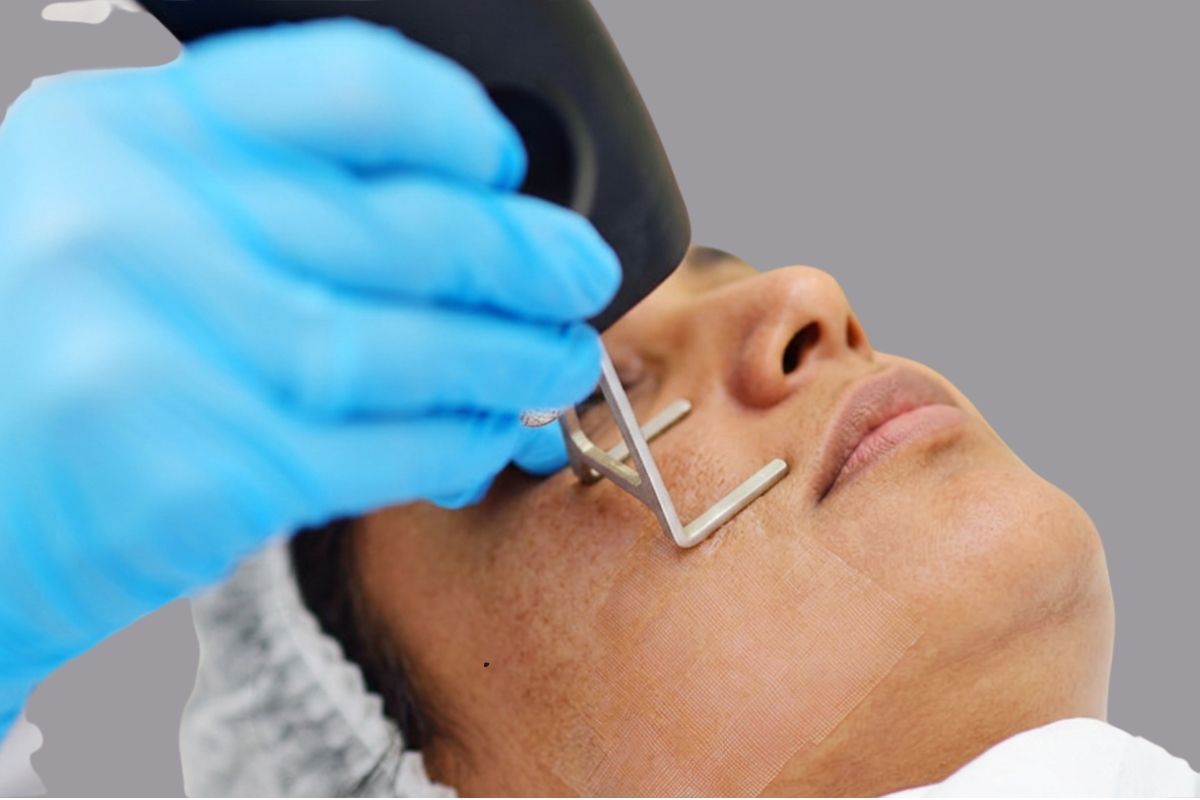
Eternis Skin Clinic, Erandwane, Pune offers advanced acne scar treatments designed to improve skin texture and promote smoother, healthier-looking skin. Acne scars can develop when inflammation from acne affects the deeper layers of the skin during the healing process, resulting in concerns such as depressions, uneven texture, or discolouration. They are more commonly associated with severe or persistent acne, delayed treatment, or repeated touching and picking of active lesions. Early assessment and a personalized treatment approach can help improve the appearance of existing scars and support healthier skin over time.
Acne does not always end when the pimples disappear. Many patients are left with red or brown marks, uneven skin texture, or permanent acne scars.
Understanding the difference is important because marks and scars require different approaches.
Acne marks are changes in skin colour that appear after acne has healed and do not represent a structural change in the skin.
They may appear as:
These marks often improve gradually with time, sun protection, and appropriate dermatological treatment. Depending on the type of pigmentation and skin sensitivity, treatment may include prescription skincare, chemical peels, and other dermatologist-guided treatments such as Carbon Peel treatment or Q-switched Nd:YAG laser.
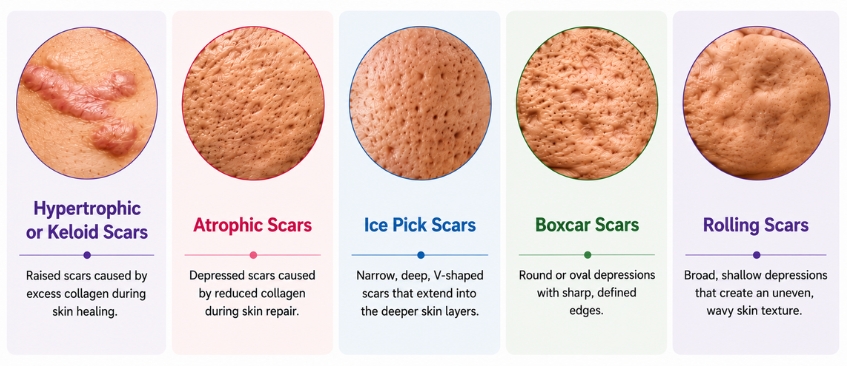
Acne scars occur when inflammation from acne causes a structural change in the deeper layers of the skin.
Common types include:
Different scar types respond differently to treatment. Therefore, treatment is selected according to the scar type, depth, skin type, and severity.
We offer a range of dermatologist-guided treatments for acne scars. Depending on the scar pattern, a single treatment or combination approach may be recommended.
Subcision is particularly useful for rolling and tethered acne scars. A specialised needle is used beneath the scar to release fibrous bands that pull the skin downward.
TCA CROSS is a targeted treatment for deep, narrow acne scars, particularly ice-pick scars. A high-concentration trichloroacetic acid application is placed precisely within the scar to stimulate remodelling.
Fractional CO₂ laser creates controlled microscopic channels in the skin to stimulate collagen remodelling. It can be used for textural irregularities and selected acne scars.
Microneedling Radiofrequency (MNRF) combines controlled microneedling with radiofrequency energy to stimulate collagen production and improve skin texture and acne scarring.
Microneedling creates controlled micro-injuries in the skin to stimulate collagen formation and can be used for selected superficial acne scars and uneven texture.
Punch excision may be considered for individual deep, well-defined acne scars, particularly selected ice-pick or boxcar scars. The scar is surgically removed and the area is allowed to heal with a more favourable scar.
GFC may be used as an adjunctive treatment in selected acne-scar protocols to support skin repair and regeneration.
PDRN-based treatments may be used as an adjunct to selected scar procedures to support skin repair, hydration, and overall skin quality.
Viscoderm Hydrobooster skin boosters may be used in selected patients to improve skin hydration, smoothness, and overall skin quality, particularly when combined with scar-remodelling treatments.
Acne scars are often mixed, with different types of scars present on the same face. In such cases, treating every scar with the same procedure may not provide the best result.
Customised Combination Treatment: A customized combination may include treatments such as:
The combination is selected after assessing:
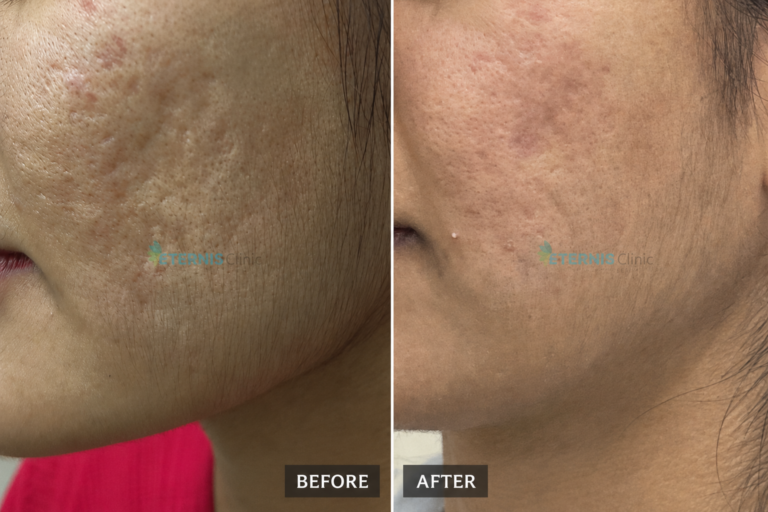
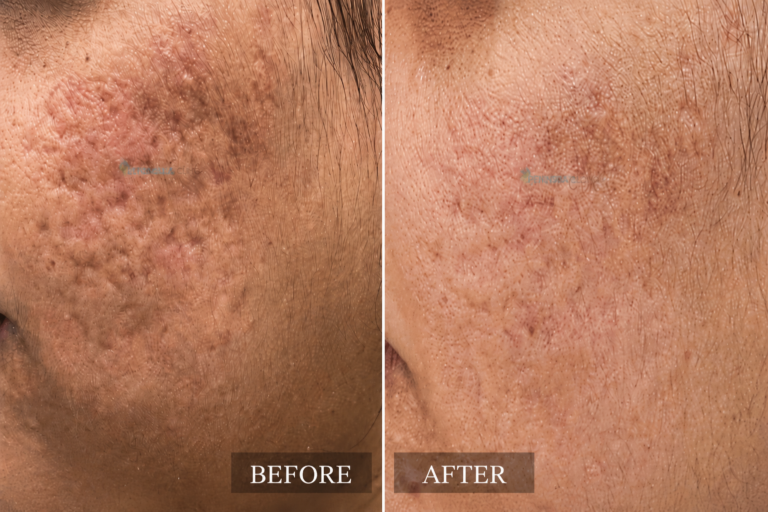
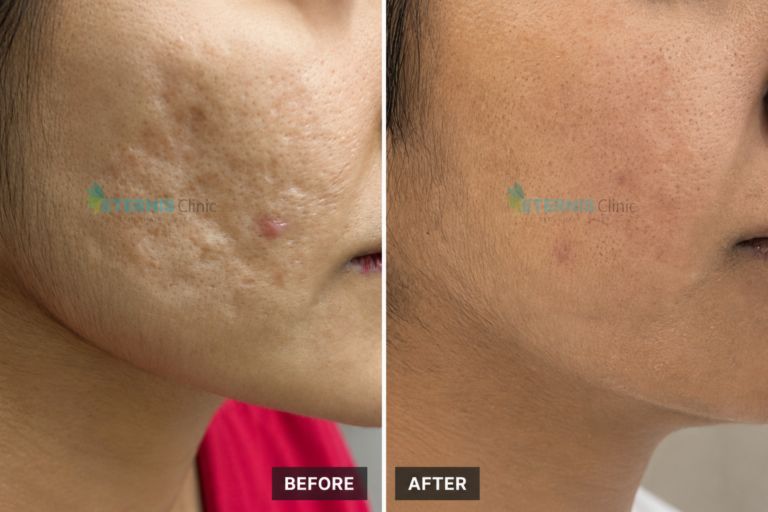
Acne scars can often be significantly improved, but complete removal may not
always be possible. The aim is to make scars less noticeable, improve skin texture and create a smoother overall appearance. Multiple sessions are often required, and improvement is gradual as collagen remodelling takes place.
Active acne should ideally be brought under control before intensive scar treatment.
Continuing inflammation can lead to new scars and interfere with the assessment of existing scars. Once active acne is adequately controlled, a personalizsed scar-treatment plan can be created.
The best way to reduce the risk of acne scarring is to treat significant acne early
and avoid picking or squeezing pimples. Early dermatologist-guided acne treatment can help control inflammation and reduce the likelihood of permanent scarring.
At Eternis, acne scars are assessed individually because different scar types
require different treatment approaches.
At-home products may help improve the appearance of mild skin concerns, but they cannot address every type or depth of acne scar. Some DIY or unregulated treatments may also irritate the skin or worsen pigmentation and scarring. Since acne scars vary significantly, professional assessment is important to determine the most appropriate and effective treatment approach.
Acne scar treatments can significantly improve skin texture and reduce the appearance of existing scars. However, the results may vary depending on the type and severity of scarring, as well as individual skin response. Preventing new acne breakouts and following recommended post-treatment care can help maintain the results for longer. Our dermatologists provide personalized guidance to support continued skin health and long-term improvement.
Copyright © Eternis Skin Clinic 2026 All Rights Reserved.

Eternis Skin Clinic
We're Online!
Eternis Skin Clinic
How can we help you today?
Powered by Elementor