
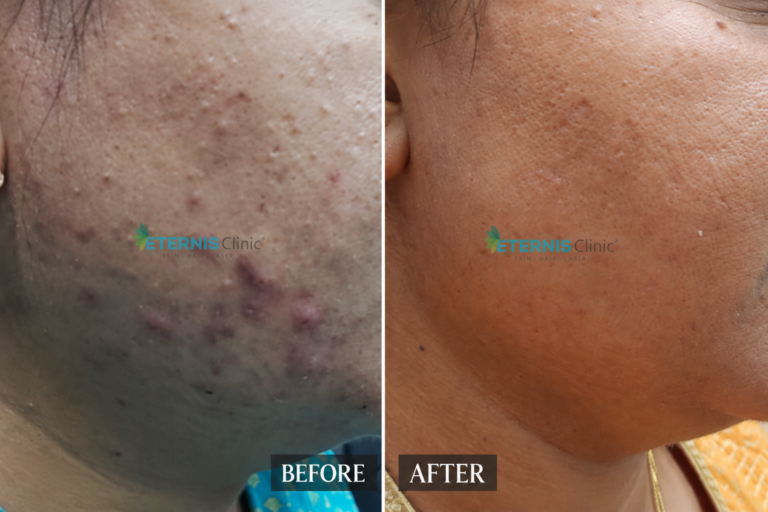
Acne is a common skin condition that can lead to recurring breakouts, persistent marks and scarring if not managed appropriately. Early, dermatologist-guided care can help control active acne, reduce the risk of future flare-ups and limit post-acne marks.
At Eternis, acne treatment begins with understanding your skin, the type of acne and its possible triggers. Based on this assessment, our dermatologists create a personalised treatment plan using clinically appropriate therapies and advanced procedures to manage breakouts, calm inflammation and support clearer, healthier-looking skin over time.
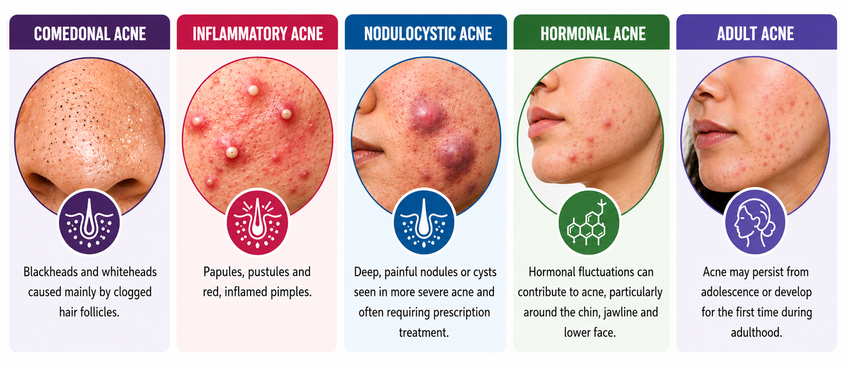
Acne, medically known as acne vulgaris, is a common skin condition that develops when excess oil, dead skin cells and other debris clog the pores, often leading to inflammation and breakouts. It can affect both men and women and is especially common during adolescence and early adulthood, although acne can occur at any age.
Breakouts usually develop in areas with a higher concentration of oil-producing glands, including:
Acne can develop due to a combination of internal and external factors that influence oil production, pore congestion and inflammation. Identifying these underlying triggers can help dermatologists recommend a more targeted and personalised treatment approach.
Common factors associated with acne include:
There is no single treatment that works for everyone. At Eternis, treatment may include:
The treatment plan is customized after assessing the type and severity of acne, skin type, individual concerns, and previous treatments.
Procedures can be an important part of acne treatment in selected patients and may complement medical therapy.
Dermatologist-selected chemical peels can help improve active acne, excess oiliness, and clogged pores. Depending on the patient’s skin type and acne, treatments may include:
A course of treatments may be recommended depending on the severity of acne and the patient’s treatment response.
Professional extraction may be performed for selected blackheads and whiteheads under appropriate hygienic conditions.
For significant comedonal congestion, combining chemical peeling with professional extraction may provide a more comprehensive approach to clearing clogged pores.
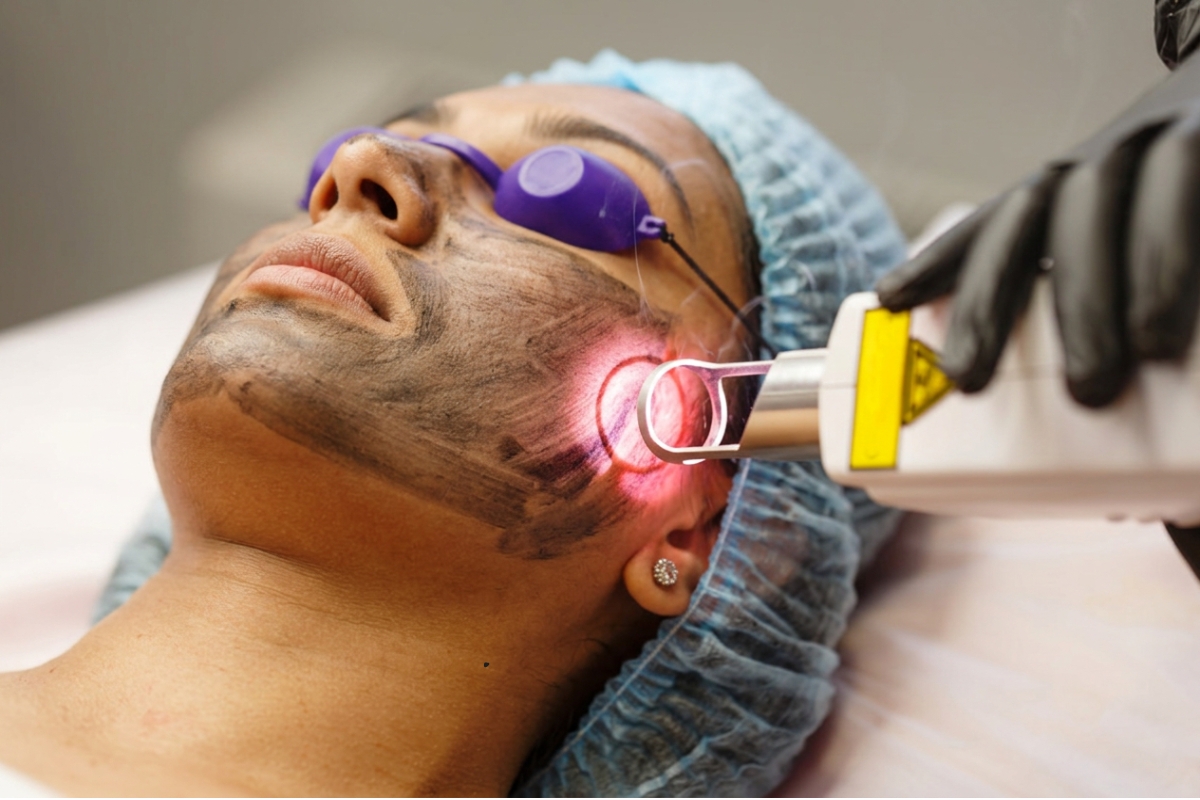
Carbon laser peel may be considered for selected patients with oily, congested, and acne-prone skin. It can help improve excess oiliness, congested pores, and overall skin texture.
Depending on the type and severity of acne, medical treatment may include dermatologist-prescribed topical or oral medications.
Acne can usually be effectively controlled, but it may have periods of improvement and recurrence. The primary goals of treatment are to:
Consistent treatment and maintenance are often more important than short-term aggressive treatment.
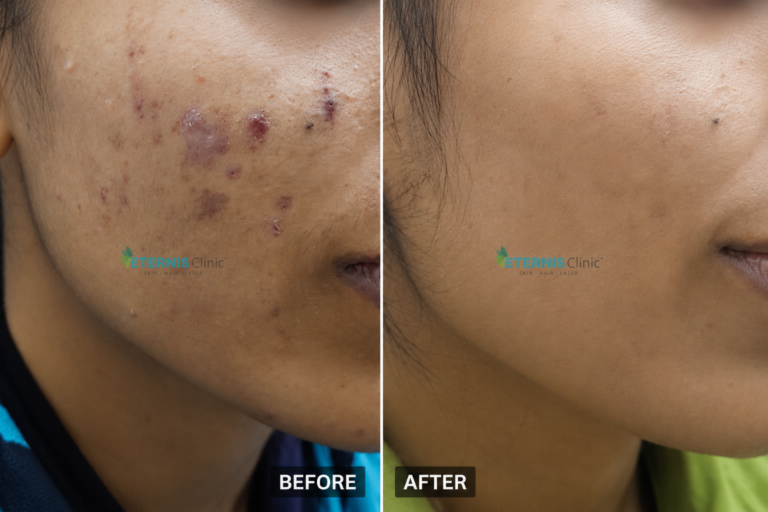
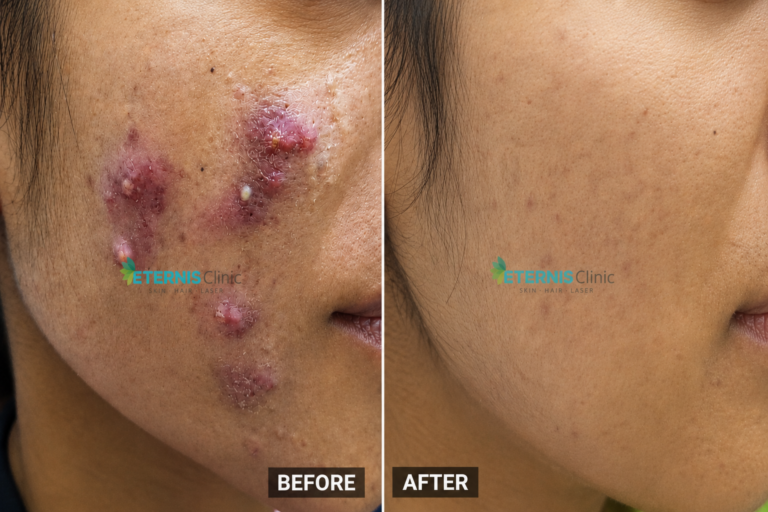
At Eternis, acne treatment is not based on a single procedure or a standard package. We first identify the type and severity of acne, assess the skin and previous treatment history, and then recommend an appropriate combination of medical treatment, procedures and skincare.
The goal is not just to treat today’s pimples — it is to control acne, prevent new breakouts and minimise long-term scarring.
There is no single best treatment. Treatment depends on the type and severity of
acne, and may include medical therapy, procedures or a combination of both.
Most acne treatments require consistent use over several weeks. Improvement is
gradual and treatment may need to continue for several months.
Yes. Dermatologist-selected chemical peels can be useful for selected patients with
active acne, oily skin and clogged pores. They are generally used as part of a
broader treatment plan.
When appropriately selected and performed under dermatological supervision,
chemical peels can be used safely. The type and strength of peel should be selected
according to the patient's skin type and acne.
Yes. Selected blackheads and whiteheads can be professionally extracted under
appropriate hygienic conditions.
Acne can often be controlled very effectively, but recurrence is possible. Some
patients may require long-term maintenance.
Yes. Acne can persist from adolescence or develop for the first time during
adulthood.
Hormonal fluctuations can contribute to acne, particularly on the chin, jawline and lower face. Some patients may require hormonal evaluation or treatment.
Yes. Picking and squeezing pimples can increase inflammation and delay healing.
Mild acne may sometimes improve with an appropriate skincare routine, while
moderate or severe acne often requires medical treatment.
Copyright © Eternis Skin Clinic 2026 All Rights Reserved.

Eternis Skin Clinic
We're Online!
Eternis Skin Clinic
How can we help you today?
Powered by Elementor