
Pigmentation is one of the most common skin concerns in Indian skin. It may appear as brown or dark patches, uneven skin tone, tanning, or dark spots and can affect the face, neck, hands, and other areas of the body. For those looking for pigmentation treatment in Pune, it is important to understand that the right treatment depends on the type and underlying cause of pigmentation.
Indian skin has a greater tendency to develop post-inflammatory hyperpigmentation after acne, irritation, allergic reactions, infections, or skin injury. Importantly, not every dark patch is melasma or simple pigmentation. Several dermatological conditions can present with similar-looking pigmentation, and treatment depends on identifying the underlying cause through proper dermatological assessment.
Melanin is the natural pigment responsible for giving our skin its colour. When the skin produces more melanin than usual, it can result in areas of darker or uneven pigmentation. This change in skin tone may be influenced by factors such as sun exposure, hormonal changes, inflammation, or skin irritation.
Pigmentation can develop on different parts of the body, including:
Melasma causes brown to grey-brown patches, most commonly over the cheeks, forehead, upper lip and nose. It is often influenced by:
Hormonal factors
Sun exposure
Visible light
Heat
Genetic tendency
Melasma is a chronic, recurring condition and often requires long-term maintenance rather than a one-time treatment.
Post-inflammatory hyperpigmentation develops when the skin produces excess pigment following inflammation or injury. It may occur after:
Acne
Eczema or dermatitis
Allergic reactions
Burns or injuries
Infections
Cosmetic procedures
It is particularly common in Indian and deeper skin tones.
Lichen planus pigmentosus (LPP) is a dermatological condition that can cause persistent grey-brown to dark pigmentation, commonly affecting the face, neck and other exposed areas.
It may sometimes resemble melasma or other pigmentation disorders. Correct diagnosis is important, as the treatment approach differs from routine pigmentation management.
Repeated exposure to certain cosmetics, fragrances, hair products, skincare ingredients or other substances can cause contact dermatitis, followed by pigmentation.
The triggering product may not always be obvious, particularly when exposure occurs repeatedly over a long period. Identifying and avoiding the trigger is an important part of management.
Paraphenylenediamine (PPD) is commonly found in permanent hair dyes and can cause allergic contact dermatitis in susceptible individuals.
A reaction may cause:
Once the inflammation settles, it may leave significant post-inflammatory pigmentation, particularly in darker skin types.
Identifying the allergy and avoiding further exposure to the triggering product is an important part of treatment.
Cutaneous amyloidosis can cause persistent, itchy, brown to dark patches or thickened pigmentation on the skin, commonly affecting areas such as the shins, upper back and arms. It may be mistaken for other pigmentation concerns, making proper diagnosis important for appropriate management.
Macular amyloidosis typically causes rippled or reticulated brown to grey-brown pigmentation, commonly affecting the upper back, arms and legs.
Chronic rubbing or scratching may contribute to worsening of the pigmentation.
Sun exposure stimulates the production of melanin, the pigment responsible for skin colour, which can lead to tanning, dark spots and an uneven skin tone. Repeated exposure to ultraviolet (UV) radiation may also trigger or worsen existing pigmentation concerns.
Conditions such as melasma and post-inflammatory hyperpigmentation can become more noticeable with continued sun exposure. In some pigmentation disorders, visible light may also contribute to increased pigmentation.
For this reason, consistent and appropriate photoprotection is an important part of managing pigmentation and preventing further darkening. Using sunscreen regularly, along with other sun-protective measures, can help protect the skin and support the results of pigmentation treatment.
Pigmentation treatment depends on the underlying cause, type of pigmentation, skin tone, severity and tendency to recur. A dermatologist may recommend a single treatment or a combination of approaches based on the individual skin concern and its underlying cause.
Depending on the diagnosis, treatment may include:
Prescription pigmentation creams: Topical prescription creams may be recommended to help reduce excess pigmentation and improve uneven skin tone. The choice of cream depends on the type of pigmentation and the individual’s skin.
Chemical Peel Treatment: Chemical peels can help improve pigmentation by promoting the removal of pigmented and damaged surface skin. The type and strength of the peel are selected according to the pigmentation concern and skin tone.
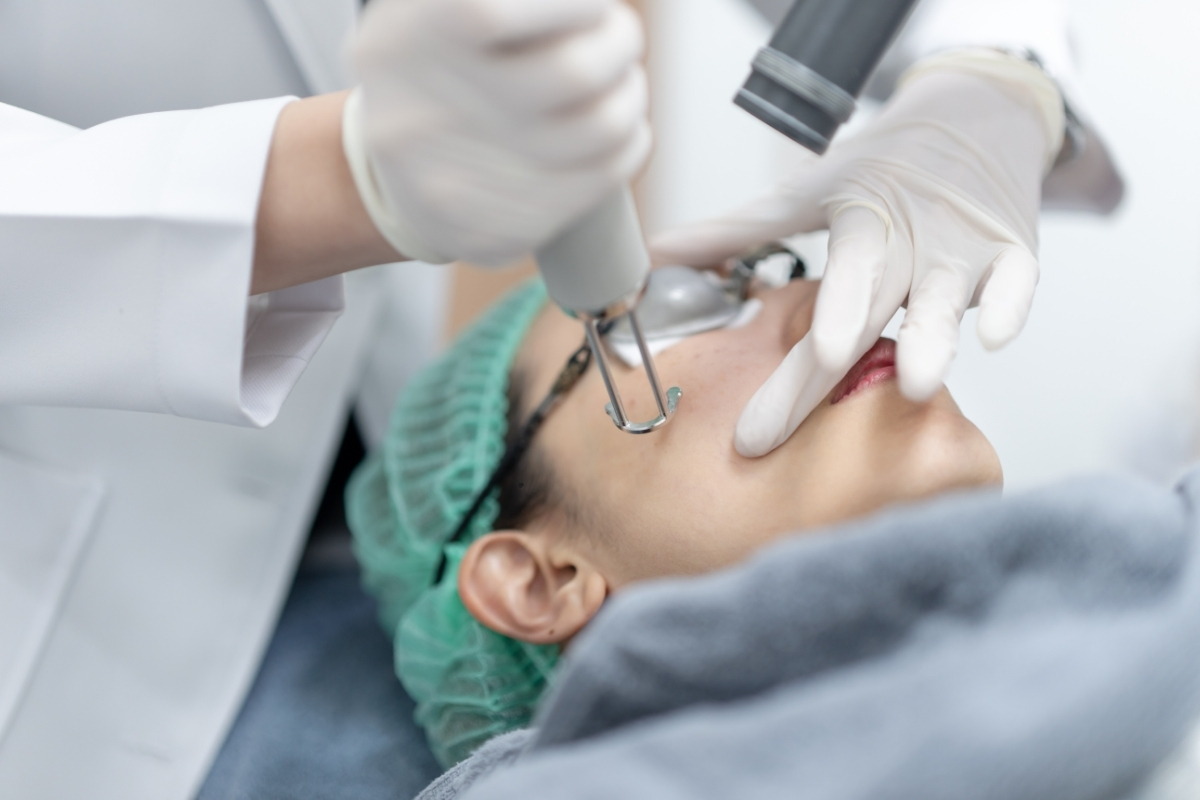
Q-switched Nd:YAG laser: This laser treatment can target excess melanin and may be used for certain types of pigmentation. Treatment parameters are carefully selected based on the individual’s skin type and pigmentation.
Carbon Laser Peel: A carbon laser peel may help improve uneven skin tone, pigmentation and overall skin texture by combining a carbon-based topical application with laser energy.
Other dermatologist-guided laser treatments: Depending on the diagnosis, other laser-based treatments may be considered to target specific forms of pigmentation. These treatments should be selected and performed under appropriate dermatologist guidance.
Treatment of the underlying inflammatory or allergic condition: When pigmentation develops following inflammation, dermatitis or an allergic reaction, treating the underlying condition is an important part of management. Controlling the inflammation can help prevent further pigmentation.
Combination treatments: In some cases, combining different treatment approaches may provide better results than using a single treatment alone. The combination is tailored according to the type, severity and recurrence pattern of the pigmentation.
Not every pigmentation condition requires a peel or laser. The most appropriate treatment depends on identifying the underlying cause rather than simply treating the visible pigmentation.
For conditions such as contact dermatitis or PPD allergy, identifying and eliminating the trigger may be more important than treating the pigmentation itself. Addressing the underlying cause can help prevent repeated inflammation and further pigmentation.
Our approach is to improve pigmentation gradually while maintaining the skin barrier
and minimising unnecessary inflammation.
There is no single treatment that works best for every type of pigmentation. The right approach depends on the underlying cause, skin type and severity of the concern. A dermatologist may recommend prescription creams, chemical peels, laser treatments or a combination approach. Consistent use of broad-spectrum sunscreen with SPF 30 or higher is also an important part of pigmentation management and helps reduce further darkening.
Pigmentation can often be significantly reduced with the right treatment, but a permanent result cannot always be guaranteed. Certain factors, including sun exposure, hormonal changes, inflammation and genetic tendency, may cause pigmentation to return over time. Long-term maintenance, appropriate skincare and consistent sun protection can help minimize recurrence and maintain treatment results.
Pigmentation can develop at almost any age, depending on its underlying cause. Conditions such as melasma and certain forms of pigmentation are more commonly seen during adulthood, often between the ages of 20 and 40. However, factors such as sun exposure, hormonal changes, inflammation, genetics and ageing can influence when pigmentation appears. Some types of pigmentation may also develop during childhood or later in life.
The time required to improve hyperpigmentation depends on its type, underlying cause, severity and skin type. In some cases, dermatologist-guided treatments such as chemical peels, laser procedures or prescription topical treatments may help achieve faster improvement. A dermatologist can recommend the most appropriate approach after assessing the pigmentation and determining the factors contributing to it.
The number of sessions required depends on several factors, including the type, underlying cause and severity of pigmentation, the size of the affected area and the treatment modality selected. Your dermatologist will assess these factors and determine whether a single treatment or a combination approach is more appropriate.
Copyright © Eternis Skin Clinic 2026 All Rights Reserved.

Eternis Skin Clinic
We're Online!
Eternis Skin Clinic
How can we help you today?
Powered by Elementor