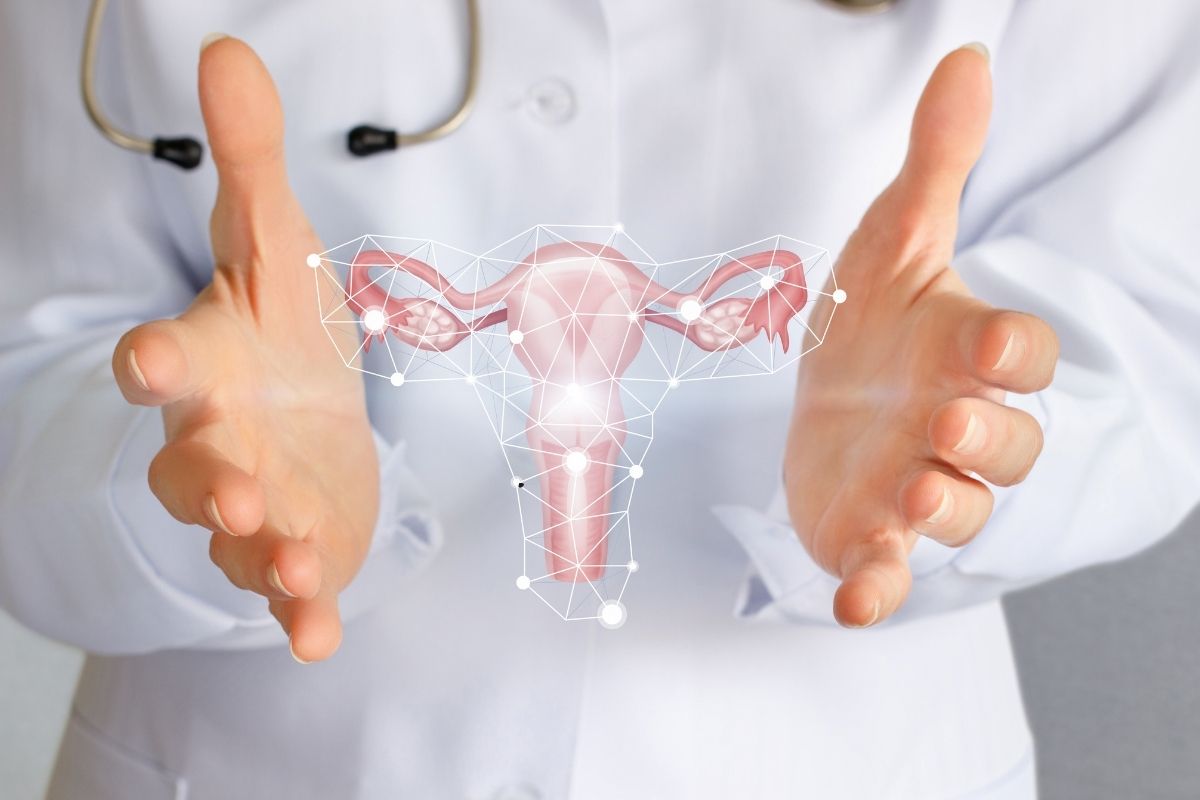
Polyendocrine Metabolic Ovarian Syndrome (PMOS), formerly known as Polycystic Ovary Syndrome (PCOS), is a complex endocrine and metabolic condition that can affect the reproductive system, metabolism, skin and hair. For individuals looking for PCOS & PMOS treatment in Pune, understanding the broader effects of the condition is important, as symptoms and their severity can vary from person to person.
The newer name reflects that PMOS is not simply an ovarian condition and that ovarian cysts are not required for every patient. The condition may be associated with hormonal imbalances, metabolic changes and symptoms such as acne, excess facial or body hair, hair thinning and changes in menstrual patterns. A comprehensive evaluation can help identify the underlying hormonal and metabolic factors and guide appropriate management.
Skin and hair changes may sometimes be among the first visible manifestations of hormonal imbalance. These changes can vary from person to person and may occur alongside other hormonal or metabolic symptoms.
PMOS may be associated with:
Persistent or adult acne – Acne may continue into adulthood or develop for the first time later in life, particularly when influenced by hormonal changes.
Hormonal-pattern acne, particularly around the chin and jawline – Breakouts may tend to appear repeatedly around the lower face, including the chin and jawline, and may be persistent or recurrent.
Excess facial and body hair (hirsutism) – Increased androgen activity may contribute to coarse or dark hair growth in areas such as the face, chest, abdomen or other parts of the body.
Female pattern hair loss – Hormonal changes may contribute to gradual thinning of hair, particularly over the crown and central scalp, with increased visibility of the scalp.
Increased skin oiliness – Excess oil production may make the skin appear greasy and can contribute to clogged pores and acne breakouts.
Acanthosis nigricans – This may appear as darker, thicker and velvety skin, commonly affecting areas such as the neck, underarms or groin.
Skin tags – Small, soft growths of skin may develop more frequently in areas such as the neck, underarms or skin folds.
Increased tendency for post-inflammatory pigmentation – Acne and other inflammatory skin conditions may leave dark marks after healing, with a greater tendency for pigmentation in some individuals.
Hormonal changes and increased androgen activity can contribute to persistent or recurrent acne. PMOS-associated acne may vary in its appearance and severity and can sometimes be more difficult to control with conventional acne treatments.
PMOS-associated acne may present as:
Hirsutism refers to excessive growth of coarse or dark hair in areas that are typically more androgen-sensitive, such as the upper lip, chin, jawline, chest and abdomen. It can occur due to increased androgen activity and may sometimes be associated with underlying hormonal or metabolic conditions such as PMOS.
The amount and pattern of hair growth can vary between individuals. Sudden or rapidly progressive facial hair growth warrants medical evaluation, as it may indicate a significant hormonal change or another underlying condition that requires further assessment.
PMOS may be associated with female pattern hair loss, which typically presents as
gradual thinning over the crown and widening of the central parting.
We may assess other contributing factors such as nutritional deficiencies, thyroid
disorders, stress-related hair shedding and other hormonal conditions before
treatment is planned.
Acanthosis nigricans causes darker, thicker or velvety skin, commonly around the neck, underarms and groin. The affected areas may gradually become more noticeable and can sometimes be associated with other signs of metabolic imbalance.
It may be associated with insulin resistance and metabolic dysfunction. Treatment should therefore consider not only the visible skin changes but also the underlying metabolic factors. Identifying and addressing these factors can be an important part of managing the condition and reducing the likelihood of recurrence.
ecause PMOS can affect multiple systems, management should not focus only on the visible skin or hair concern.
Depending on the patient’s symptoms and history, assessment may include:
Not every patient requires every test. Hormonal and metabolic investigations should be guided by the clinical presentation and performed when indicated.
Nutrition and lifestyle are important components of holistic PMOS management. Individualized nutritional guidance may focus on:
The aim is to develop sustainable lifestyle changes rather than restrictive or crash diets.
At Eternis, we look beyond the individual skin or hair symptom and consider whether hormonal or metabolic factors may be contributing. Our approach focuses on understanding the patient’s overall presentation and developing a management plan based on their specific needs.
Depending on the patient’s presentation, management may include:
Medical acne treatment – Appropriate medical treatment to help manage persistent, recurrent or hormone-related acne.
Acne peels and procedures – Dermatologist-guided peels and procedures may be considered to manage acne and improve associated skin concerns.
Laser hair reduction – Laser-based treatment may help reduce unwanted facial or body hair associated with hormonal changes.
Treatment for female pattern hair loss – Individualised treatment may be recommended to address hair thinning and support healthier hair growth.
Management of acanthosis nigricans – Management focuses on the visible skin changes while also considering possible underlying metabolic factors.
Skin tag removal – Skin tags can be safely removed when appropriate, particularly when they are bothersome or repeatedly irritated.
Individualised skincare – A personalised skincare routine may be recommended based on the patient’s skin type, symptoms and treatment goals.
Nutritional guidance – Individualised nutritional guidance may support broader hormonal and metabolic health as part of holistic management.
Appropriate hormonal and metabolic evaluation – Where clinically indicated, relevant hormonal and metabolic factors may be assessed to better understand the underlying contributors.
Coordination with a gynaecologist or endocrinologist when required – Collaborative care may be recommended when hormonal, reproductive or metabolic concerns require evaluation or management by another specialist.
The goal is to treat the skin and hair concerns while understanding the hormonal, metabolic, nutritional and lifestyle factors that may be contributing to them.
There is no single treatment that is suitable for everyone with Polyendocrine Metabolic Ovarian Syndrome (PMOS), formerly known as PCOS. Management is tailored to individual symptoms, hormonal and metabolic factors, lifestyle and reproductive goals. Lifestyle measures are an important part of overall management, while medical treatment and specialist care may be recommended when required.
Polyendocrine Metabolic Ovarian Syndrome (PMOS), formerly known as PCOS, is a long-term condition and does not have a permanent cure. However, its symptoms and associated hormonal or metabolic concerns can often be managed effectively with an individualized approach.
Appropriate lifestyle changes, medical treatment and regular monitoring can help control symptoms, improve overall health and reduce the risk of long-term complications. Management may also change over time depending on the individual's symptoms and needs.
Polyendocrine Metabolic Ovarian Syndrome (PMOS) is a newer terminology used for what has traditionally been referred to as Polycystic Ovary Syndrome (PCOS). The updated terminology reflects the fact that the condition involves broader hormonal and metabolic factors and is not limited to the ovaries.
The term PMOS also highlights that ovarian cysts are not required for every patient to have the condition.
Polyendocrine Metabolic Ovarian Syndrome (PMOS), formerly known as PCOS, is a long-term hormonal and metabolic condition that can affect several aspects of health, including the reproductive system, metabolism, skin and hair. The severity and symptoms can vary considerably from one person to another.
Although PMOS can be effectively managed, appropriate evaluation and long-term care are important. Addressing hormonal, metabolic and lifestyle factors can help manage symptoms and support overall health.
For PCOS-related skin and hair concerns in Pune, Dr. Pinanky Jadhav and Dr. Vijay Adhe at Eternis Skin Clinic are experienced dermatologists who can help evaluate and manage concerns such as acne, excessive facial hair, hair thinning, pigmentation, and other skin changes associated with PCOS.
Copyright © Eternis Skin Clinic 2026 All Rights Reserved.
Eternis Skin Clinic
We're Online!
Eternis Skin Clinic
How can we help you today?
Powered by Elementor