
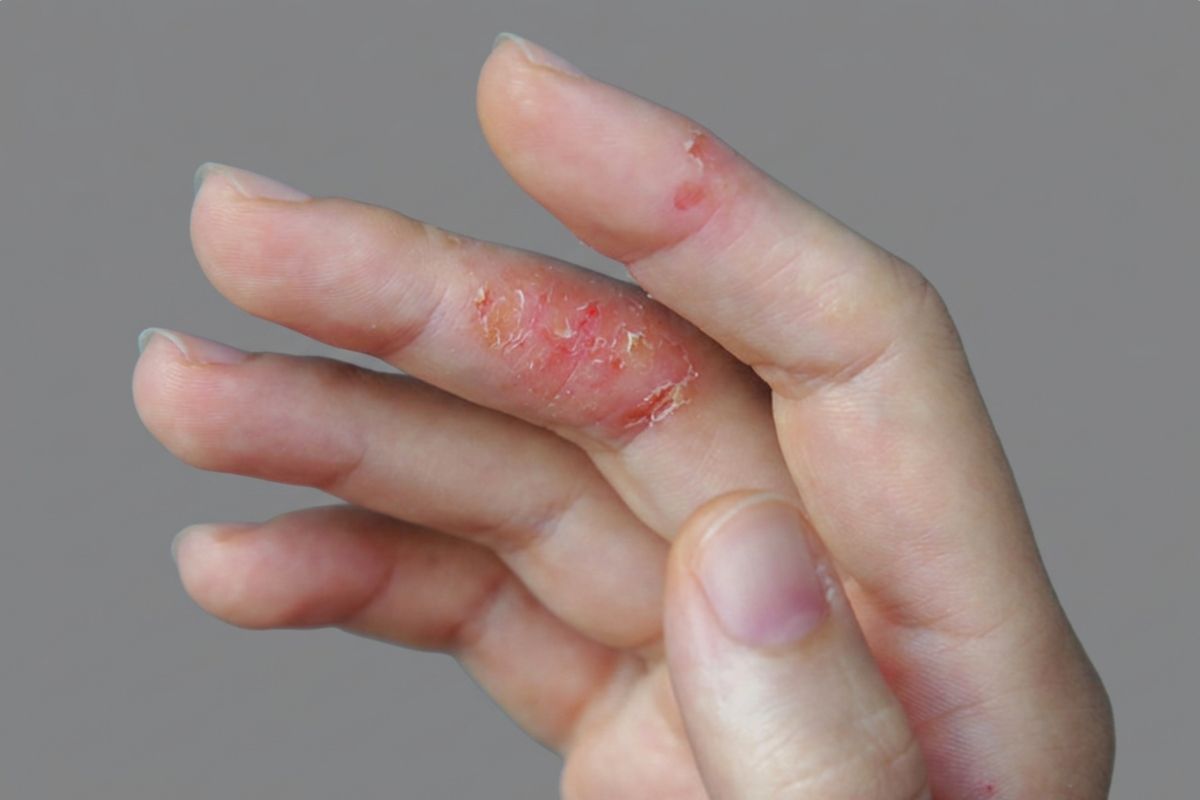
Eczema, dermatitis and psoriasis are common inflammatory skin conditions that can cause redness, itching, dryness, scaling, irritation and recurrent skin inflammation. For those seeking eczema treatment in Pune, understanding the underlying condition is important for choosing the right treatment approach.
Although eczema, dermatitis and psoriasis can sometimes look similar, they are different conditions with different causes, triggers and treatment requirements. Symptoms can range from mild irritation and dryness to persistent itching, scaling and recurring flare-ups. Correct diagnosis is therefore important before starting treatment, as a dermatologist can identify the specific condition and recommend appropriate treatment and long-term skin care.
Eczema refers to a group of conditions that cause itchy, inflamed and often dry skin. Atopic dermatitis is the most common form of eczema. The symptoms and appearance can vary depending on the type of eczema, the affected area and the severity of the condition.
Depending on the type, eczema may present with:
Dry, itchy skin: The skin may feel unusually dry, rough or irritated, often accompanied by persistent or recurring itching.
Red or darker patches: Inflamed areas may appear red, brown, greyish or darker than the surrounding skin, particularly in deeper skin tones.
Scaling: Affected areas may develop visible flaking or scaling as the skin becomes dry and inflamed.
Cracking or fissuring: Severe dryness can cause the skin to crack or develop painful fissures, especially on the hands and other frequently affected areas.
Oozing or crusting during flares: During active eczema flares, inflamed areas may ooze fluid and later develop crusting as they heal.
Thickened skin from chronic scratching: Repeated itching and scratching over time can make the skin thicker, rougher and more pronounced in texture.
Common types include atopic dermatitis, hand eczema, dyshidrotic eczema, nummular eczema and stasis dermatitis.
Contact dermatitis develops when the skin reacts to something it comes into contact with. It may be:
Irritant contact dermatitis – caused by direct irritation of the skin.
Allergic contact dermatitis – caused by an allergic reaction to a particular substance.
Common triggers include cosmetics, fragrances, hair dyes, metals, detergents, preservatives and occupational exposures.
In cases of suspected allergic contact dermatitis, patch testing may help identify the responsible allergen.
Seborrheic dermatitis commonly affects areas rich in sebaceous glands, including the:
Scalp – It may cause flaky skin, itching and visible scaling, often resembling dandruff.
Eyebrows – The skin may become red, irritated and develop flaky or greasy scales.
Nose and sides of the face – Redness, irritation and scaling may appear around the nose and nearby facial areas.
Behind the ears – This area may develop redness, itching and flaky or greasy scales.
Chest – Seborrheic dermatitis can cause patches of redness and scaling on the chest.
It may cause redness, itching and flaky or greasy scales, with symptoms varying in severity and often recurring over time.
Psoriasis is a chronic inflammatory skin disease that commonly causes well-defined, thickened plaques with scaling. The appearance and severity can vary between individuals, and symptoms may affect different parts of the body.
It can affect:
Scalp – Psoriasis may cause thick, scaly patches that can extend beyond the hairline and may be associated with itching or irritation.
Elbows – Well-defined, thickened plaques with scaling commonly develop over the elbows.
Knees – The knees may develop persistent, raised patches with visible scaling.
Lower back – Psoriasis can appear as well-defined plaques across the lower back and surrounding areas.
Nails – Nail psoriasis may cause changes such as pitting, thickening, discolouration or separation of the nail from the nail bed.
Palms and soles – The skin may become thickened, scaly or cracked, sometimes causing discomfort during movement.
Genital or other body areas – Psoriasis can also affect sensitive areas and other parts of the body, with its appearance varying depending on the location.
Psoriasis can vary considerably between individuals and may have periods of flare and improvement. Triggers and symptoms can also differ from person to person.
Importantly, psoriasis is not simply “dry skin” and is not contagious. Some patients with psoriasis may also develop psoriatic arthritis, making recognition of joint symptoms important.
Persistent or recurrent rashes should not automatically be treated as eczema or psoriasis, as several other skin conditions can cause similar symptoms.
Conditions such as fungal infections, allergic contact dermatitis, scabies, drug reactions and other inflammatory skin diseases can sometimes resemble eczema or psoriasis. The appearance of a rash alone may not always be enough to determine its exact cause.
A dermatological examination helps establish the diagnosis and identify factors that may be triggering or worsening the condition. Accurate diagnosis is important for selecting the appropriate treatment and preventing symptoms from recurring.
Treatment depends on the diagnosis, severity, body area involved, age and individual factors. A dermatologist may recommend a single treatment or a combination of approaches depending on the condition and how the skin responds.
Depending on the condition, treatment may include:
Prescription topical treatments – Medications applied directly to the affected skin may help control inflammation, itching, scaling and other symptoms.
Moisturisers and barrier repair – Regular moisturisation helps reduce dryness, support the skin barrier and protect the skin from further irritation.
Anti-inflammatory medications – These may be prescribed to reduce inflammation, redness, itching and discomfort during active flare-ups.
Antihistamines or anti-itch measures when appropriate – These may help manage itching and improve comfort, particularly when itching is persistent or affecting sleep.
Phototherapy – Excimer laser – Targeted light-based treatment may be considered for selected inflammatory skin conditions and specific affected areas.
Oral medications – Depending on the condition and severity, oral medicines may be recommended when topical treatment alone is not sufficient.
Targeted systemic treatments or biologic therapies for selected moderate-to-severe disease – These treatments may be considered for certain patients with moderate-to-severe inflammatory skin conditions when clinically appropriate.
Trigger identification and avoidance – Identifying factors that trigger or worsen symptoms can help reduce flare-ups and support long-term management.
Patch testing for suspected allergic contact dermatitis – Patch testing may help identify specific allergens responsible for recurring skin reactions, allowing appropriate avoidance measures.
Treatment is individualised rather than based on a single standard cream or procedure. The treatment plan may also be adjusted over time according to the condition, response to treatment and recurrence of symptoms.
A consultation is recommended when a rash is:
A dermatological consultation can help identify the underlying cause of the rash and guide appropriate treatment and long-term management.
At Eternis, inflammatory skin conditions are approached from a diagnostic and
long-term management perspective. We aim to identify the type of skin condition, assess its severity, look for possible triggers and select an appropriate treatment plan.
The goal is not simply to suppress a flare, but to control inflammation, restore the skin barrier, reduce recurrence and improve long-term skin health.
Dr Pinanky Adhe & Dr Vijay Adhe at Eternis Skin Clinic are specialist for eczema, as they are trained to diagnose and treat a wide range of skin conditions. A dermatologist can assess the type and severity of eczema, identify possible triggers and recommend a suitable treatment plan based on your individual needs.
The 3-minute rule refers to applying a generous layer of moisturizer within about three minutes after bathing, while the skin is still slightly damp. This helps seal in moisture, support the skin barrier and reduce dryness that can contribute to eczema flare-ups.
Eczema can range from mild to moderate and severe, depending on the extent and intensity of symptoms. Severe eczema may involve widespread inflammation, intense itching, significant dryness, cracking or skin damage.
In some cases, eczema can also develop a secondary infection, which may require prompt medical attention. Recognizing worsening symptoms early and seeking appropriate dermatological care can help prevent complications and improve long-term management.
Several skin conditions can have symptoms similar to eczema, making them difficult to distinguish based on appearance alone. Psoriasis and fungal infections such as ringworm are commonly mistaken for eczema because they can also cause red, scaly and itchy patches.
Other conditions, including allergic contact dermatitis, scabies and certain inflammatory skin disorders, may also produce similar symptoms. A dermatological examination can help identify the underlying cause and ensure the appropriate treatment is recommended.
Eczema symptoms may sometimes improve or settle without intensive treatment, particularly during a mild flare-up. However, eczema can be a recurring condition, and symptoms may return when triggered by factors such as dryness, irritation or allergens.
Some children may experience significant improvement as they grow older, while others may continue to have symptoms into adulthood. Proper skin care, trigger management and appropriate treatment can help control flare-ups and reduce their frequency.
Copyright © Eternis Skin Clinic 2026 All Rights Reserved.

Eternis Skin Clinic
We're Online!
Eternis Skin Clinic
How can we help you today?
Powered by Elementor