
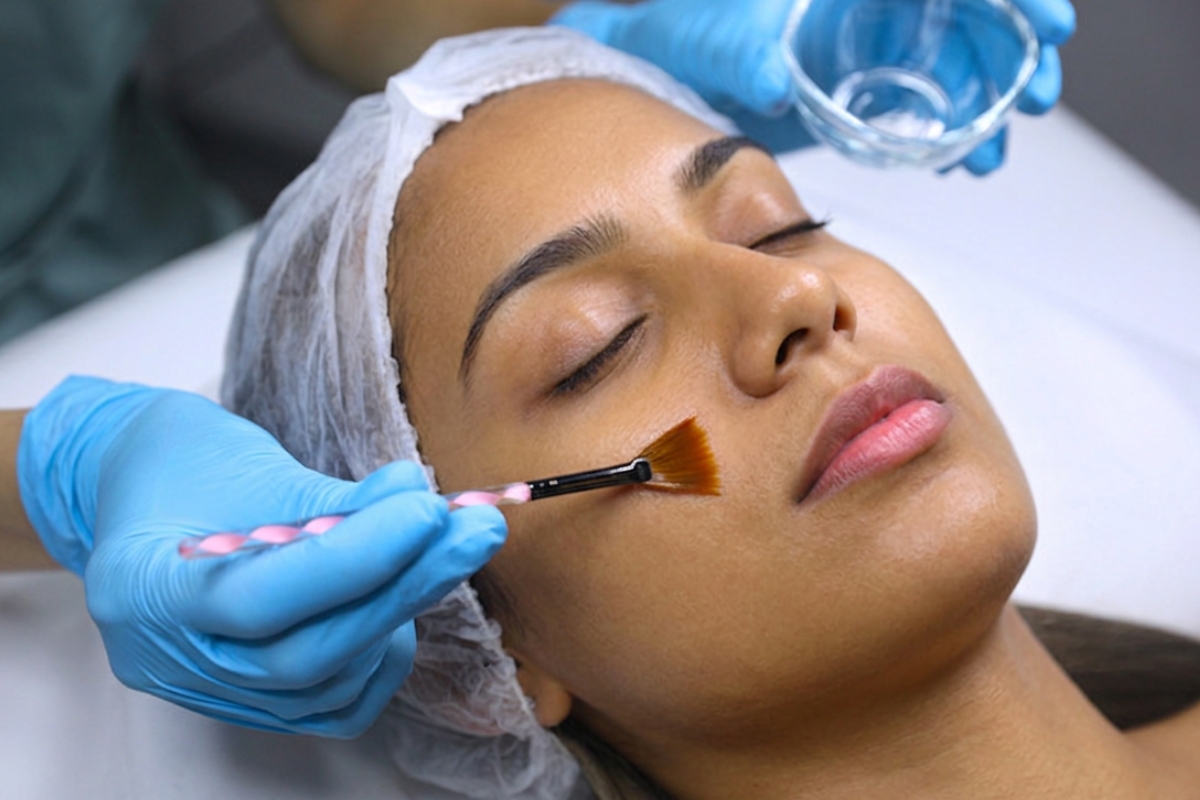
Skin quality changes are often among the earliest signs of skin aging. Before prominent wrinkles or sagging appear, subtle changes begin within the skin’s extracellular matrix (ECM), including alterations in glycosaminoglycans (GAGs) and hyaluronic acid, which are important for maintaining skin hydration, structure and elasticity. With progressive aging, collagen and elastin production and organization also decline, leading to changes in skin texture, firmness, hydration and radiance.
At Eternis Skin, Hair, Laser & Aesthetics Clinic, improving skin quality begins with understanding your skin’s individual needs. Our dermatology-led approach combines advanced procedures, regenerative treatments and medical skincare to address concerns such as uneven texture, dullness, enlarged pores, fine lines, dehydration and photodamage. Treatment is personalised based on your skin condition, goals and dermatologist’s assessment to support healthier, smoother and more radiant-looking skin
Improve superficial texture, dullness, uneven tone and photoaging.
Can help improve skin brightness, oiliness, enlarged pores and surface texture.
Useful for exfoliation, hydration and maintaining skin radiance.
PDRN, polynucleotides, NucleoSkin, Sunekos, Profhilo and BabyGLOW aim to improve hydration, skin quality, elasticity and overall skin health.
Stimulates controlled skin remodeling and collagen production to improve texture, fine lines, pores and photodamage.
Stimulates collagen remodeling while improving texture, enlarged pores, fine lines and mild skin laxity.
Sunscreen, moisturisers, retinoids and antioxidants form the foundation of long-term
skin health and protection against photoaging.
Healthy-looking skin starts with healthy skin structure. Our approach focuses
not only on treating visible wrinkles, but also on improving hydration, skin quality,
texture and the biological processes that support youthful skin.
Effective skin-texture improvement often involves a combination of at-home skincare and dermatologist-led treatments. Ingredients such as AHAs, BHAs and retinoids can help refine the skin’s surface with regular use, while procedures such as microneedling and laser peel may address deeper textural concerns. Consistent use of a broad-spectrum sunscreen is also important to protect the skin from UV damage and help minimise further collagen degradation
Improving uneven skin texture is usually a gradual process, with visible changes often developing over 4 to 12 weeks depending on the underlying concern and treatment approach. Mild roughness may respond within a few weeks to consistent exfoliation and skincare, while acne scars, pronounced textural irregularities, or sun-related damage may require several months and professional procedures such as microneedling or laser treatments for more noticeable improvement.
A consistent skincare routine combining gentle exfoliation, retinoids, adequate moisturisation, and daily sunscreen can help improve roughness and create a smoother, more even skin texture.
Professional options for improving uneven skin texture may include chemical peels, HydraFacial or BabyGLOW treatments, and microneedling. Depending on the skin concern, these treatments can help remove surface buildup, refine skin texture, improve hydration, and stimulate collagen production.
Adequate water intake supports healthy skin hydration, which may help reduce the appearance of dryness, tightness, and dullness. However, drinking more water than your body needs is unlikely to significantly alter skin texture or reduce deep wrinkles on its own.
Copyright © Eternis Skin Clinic 2026 All Rights Reserved.

Eternis Skin Clinic
We're Online!
Eternis Skin Clinic
How can we help you today?
Powered by Elementor