
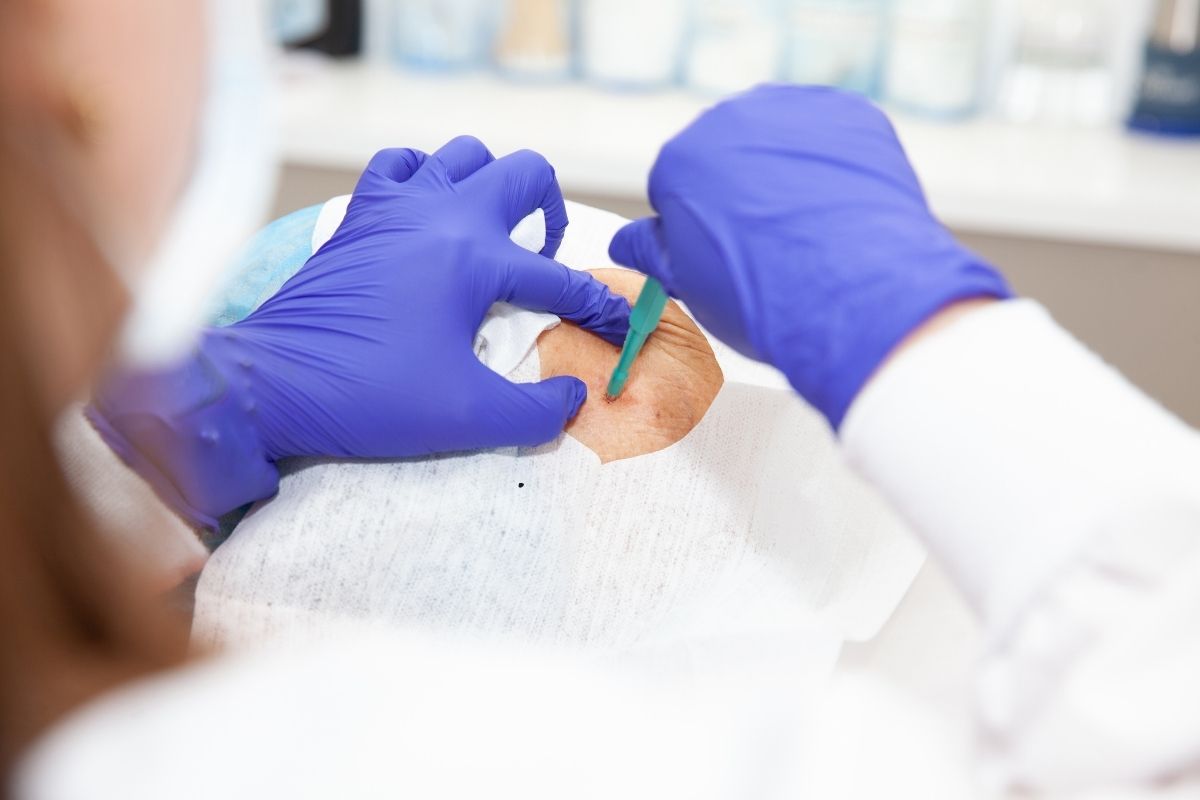
A skin biopsy allows a dermatologist to examine a small portion of skin under laboratory conditions when a diagnosis cannot be confirmed through a routine examination alone. Depending on the concern, the sample may help identify conditions such as infections, inflammatory disorders, or other skin abnormalities. The findings provide more precise information about the condition and help the dermatologist determine an appropriate treatment approach.
In certain cases, biopsy results can also serve as a useful reference for evaluating how a condition responds to treatment over time. For patients experiencing unexplained or persistent skin changes, obtaining a clear diagnosis can reduce uncertainty and help ensure that appropriate care is provided.
At Eternis Skin Clinic, our skin specialists assess your skin condition and recommend treatments suited to your individual needs. With the right dermatologist-guided approach, dull-looking skin can be revitalized to achieve a smoother, healthier, and more refreshed appearance.
A skin biopsy is generally a short procedure and may take around 15–30 minutes, although the duration can vary depending on the type of biopsy and the location being treated. Since it is usually performed as an outpatient procedure, most patients can leave the clinic once it is completed and any immediate aftercare instructions have been provided.
Some tenderness, mild swelling, or sensitivity around the biopsy site can occur as the skin begins to heal. Recovery is usually straightforward when the area is cared for properly. Keep the site clean, avoid unnecessary irritation, and follow the aftercare guidance provided by dermatologist to support uncomplicated healing.
A skin biopsy may be recommended when a dermatologist needs more detailed information about a skin concern before confirming a diagnosis or deciding on treatment. It can be particularly useful in the following situations:
When a rash does not respond to routine treatment, keeps returning, or does not have an obvious cause, a biopsy can provide additional information about what is happening within the skin. This can help distinguish between different types of inflammatory, infectious, or other dermatological conditions.
Changes in the appearance, shape, color, or texture of a mole or skin growth may require closer examination. A biopsy allows the collected tissue to be assessed in a laboratory, helping the dermatologist determine the nature of the growth and decide whether further treatment is necessary.
Some inflammatory skin disorders can have similar-looking symptoms, making them difficult to distinguish through a visual examination alone. When the diagnosis remains uncertain or the condition behaves unexpectedly, a biopsy may help provide greater diagnostic clarity.
In some cases, confirming the exact nature of a chronic skin condition before beginning or changing treatment can be important. A biopsy may provide additional diagnostic evidence, allowing the dermatologist to select a treatment strategy that is better suited to the patient’s specific condition.
Copyright © Eternis Skin Clinic 2026 All Rights Reserved.

Eternis Skin Clinic
We're Online!
Eternis Skin Clinic
How can we help you today?
Powered by Elementor