

Hair Loss Treatment in Pune — Diagnosis-First Care for Men & Women
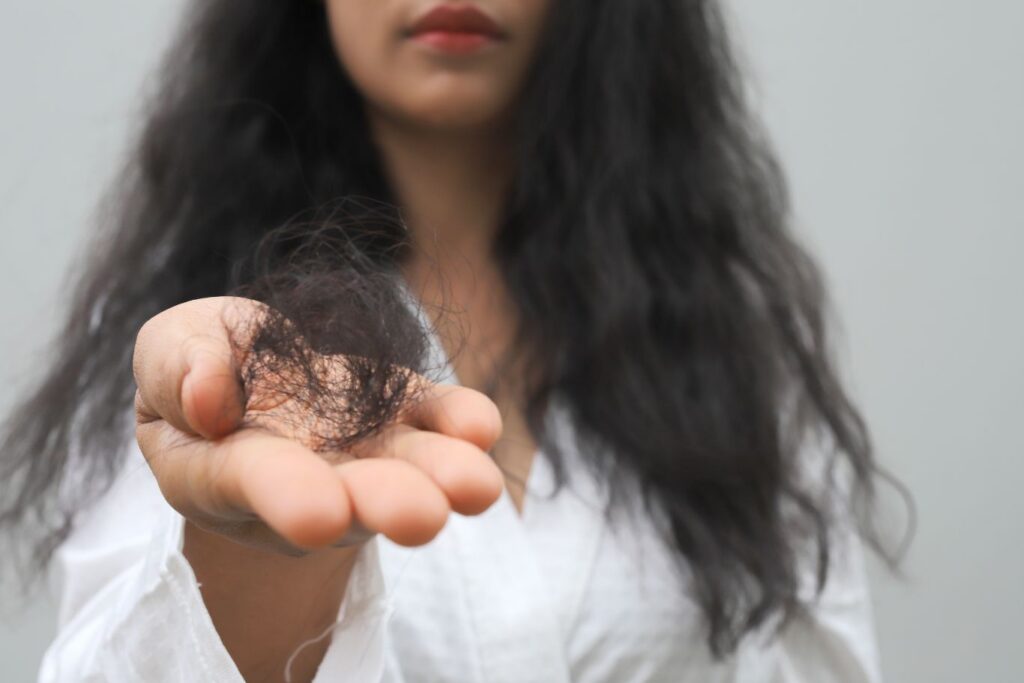
Hair fall is easy to dismiss when it happens occasionally. But when you start noticing more hair on your pillow, comb or shower drain, hair loss treatment in Pune may be worth considering—especially if your hair is becoming visibly thinner or your scalp is more noticeable than before.
Hair loss can look different from person to person. Some people notice excessive shedding, while others experience a widening hair part, thinning around the crown, a receding hairline or gradual reduction in overall hair density. These changes can have different causes, which is why simply trying different shampoos or home remedies may not address the underlying concern.
At ETERNIS Skin, Hair, Laser & Aesthetics Clinic, we begin by understanding your hair-loss pattern, scalp condition, medical history and individual concerns. Based on this assessment, our dermatologists recommend a personalized treatment plan rather than offering the same procedure to every patient. The focus is on identifying the likely cause and choosing an approach that is appropriate for your stage of hair loss and treatment goals.
Hair Fall vs Hair Loss: Understanding the Difference
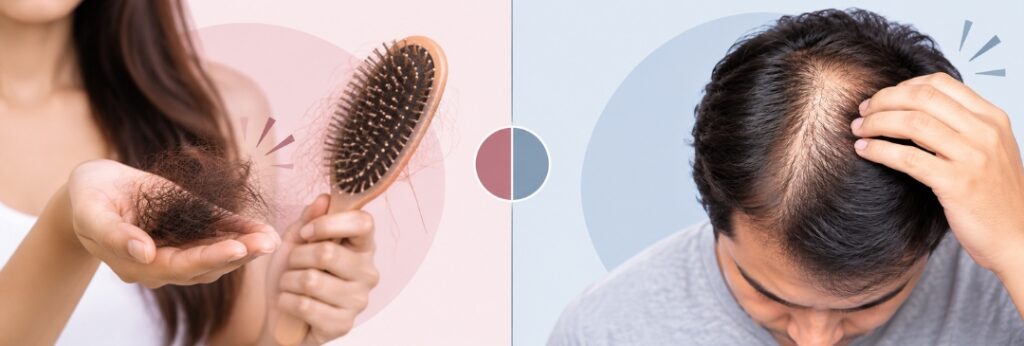
Hair shedding and hair loss are related, but they are not necessarily the same thing.
It is normal for hair to shed as part of its natural growth cycle. Concern arises when shedding becomes excessive or when the hair that grows back becomes progressively finer and less dense. Some people notice increased hair on their pillow or while washing their hair. Others may notice a widening center part, reduced crown density, a receding hairline or small patches without hair.
The distinction matters because temporary shedding may have a very different cause and treatment approach from progressive pattern hair loss. If increased shedding continues or visible thinning is developing, consulting a dermatologist can help determine whether the problem is temporary, progressive or related to an underlying scalp or medical condition.
What Causes Hair Loss in Men and Women?
There isn’t one universal reason for hair loss. Several factors can contribute, sometimes at the same time.
Genetic and Pattern Hair Loss
Hereditary hair loss is one of the common causes of progressive thinning. Men may notice recession around the temples or thinning at the crown, while women may experience increased visibility of the scalp around the central parting or crown.
Early assessment can be useful because treatment decisions may differ depending on how advanced the thinning has become.
Stress and Illness
Significant physical or emotional stress, fever, infections, surgery or other illnesses can sometimes be followed by increased shedding. In these situations, identifying the trigger is an important part of management rather than simply treating the hair itself.
Hormonal Factors
Hormonal changes can influence hair growth. Women may experience changes associated with conditions such as PCOS, thyroid disorders, pregnancy, postpartum changes or menopause.
Nutritional Factors
Inadequate nutrition or certain deficiencies may contribute to hair problems in some individuals. However, supplements should not automatically be considered the answer to every case of hair fall. A dermatologist may recommend investigations when the history or examination suggests a nutritional or medical cause.
Scalp Conditions
Inflammation, excessive scaling, infections and other scalp disorders can affect the health of hair follicles. Treating the underlying scalp condition may therefore be an important part of hair-loss management.
Alopecia and Other Hair Disorders
Sudden patches of hair loss, rapid thinning or loss involving the eyebrows or other areas may require specific dermatological evaluation.
How Does a Dermatologist Diagnose Hair Loss?
A good hair-loss consultation should involve more than simply looking at the amount of hair that has fallen. The dermatologist may consider:
Medical and Hair-Loss History
The consultation may cover when the problem began, whether it is progressing, family history, recent illness, stress, diet, medications, hormonal changes and previous treatments.
Scalp & Hair Examination
The pattern of thinning, scalp condition and characteristics of individual hairs can provide important clues about the underlying problem.
Trichoscopy
A dermatologist may use magnification or trichoscopy to examine the scalp and hair follicles more closely. This can help assess features that are difficult to identify with the naked eye.
Blood Tests When Clinically Indicated
Blood investigations are not necessarily required for everyone. When the history or examination suggests a possible hormonal, nutritional or systemic contributor, appropriate tests may be recommended.
The goal is simple: identify the likely cause before deciding what treatment makes sense.
Hair Loss Treatment Options Available at Eternis Skin, Hair, Laser & Aesthetics, Pune
At ETERNIS, our approach begins with understanding the cause and pattern of hair loss. We then recommend a personalised treatment plan based on your scalp, hair condition, medical history and individual goals—not simply on the popularity of a particular procedure.
Depending on your hair-loss pattern and diagnosis, we may recommend medical management, regenerative procedures or supportive therapies as part of a personalized treatment plan.
Medical Treatment for Hair Loss
Certain forms of hair loss can benefit from dermatologist-prescribed medication. The choice depends on the type of hair loss, age, sex, medical history and other individual factors.
Medication should be used under appropriate medical guidance rather than started solely on the basis of an online recommendation.
PRP Hair Treatment
Platelet-rich plasma, commonly called PRP, uses a patient’s own blood-derived platelet concentrate as part of a hair-treatment procedure. PRP may be considered for selected types of hair thinning. The number of sessions and expected response can vary considerably between patients.
GFC Hair Treatment
Growth Factor Concentrate (GFC) is a regenerative hair treatment that uses concentrated growth factors prepared from the patient’s own blood. These growth factors are introduced into the scalp with the aim of supporting the health and activity of hair follicles and improving the quality of existing hair.
At ETERNIS, we first assess the pattern and cause of hair loss before recommending GFC. We consider factors such as the stage of hair thinning, scalp health and individual treatment goals to determine whether GFC is a suitable option and how it can be incorporated into a personalised hair-treatment plan.
Mesotherapy
Hair mesotherapy involves delivering selected substances into the scalp through multiple small injections. Its suitability depends on the formulation used and the underlying hair condition.
Low-Level Light or Laser Therapy
Low-level light-based approaches may be considered as part of hair-loss management for selected patients. They are generally best viewed within an overall treatment plan rather than as a universal solution.
Which Hair Loss Treatment Is Right for You?
There is no single treatment that can honestly be called the best hair loss treatment for every patient.
For example, someone experiencing sudden shedding after an illness may require a very different approach from someone with gradual hereditary thinning. A person with patchy hair loss may need a diagnostic evaluation before considering regenerative procedures.
Treatment decisions can depend on:
- Cause of hair loss
- Duration of the problem
- Pattern and severity
- Age and medical history
- Scalp health
- Existing hair density
- Treatment goals
- Previous treatments and their response
This is why a personalised treatment plan can be more appropriate than choosing a procedure simply because it is popular.
Types of Hair Loss in Men & Treatment
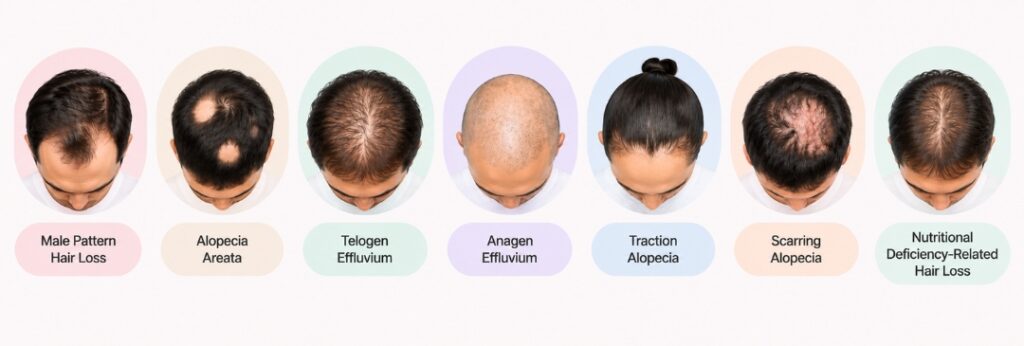
Hair loss in men can occur in different patterns and may result from several underlying causes. Common types include male pattern hair loss, also known as androgenetic alopecia, which typically causes gradual thinning at the temples and crown; alopecia areata, which may lead to sudden, patchy hair loss; and hair loss associated with stress, nutritional deficiencies, hormonal changes, scalp conditions or certain medical treatments.
- Male Pattern Hair Loss (Androgenetic Alopecia) — gradual recession at the temples and/or thinning at the crown.
- Alopecia Areata — sudden, smooth, patchy areas of hair loss.
- Telogen Effluvium — increased, diffuse shedding, often after stress, illness, weight loss, or nutritional changes.
- Anagen Effluvium — rapid hair loss caused by factors such as chemotherapy or certain toxins.
- Traction Alopecia — hair loss caused by repeated pulling or tight hairstyles.
- Scarring Alopecia — inflammation damages follicles and can cause permanent hair loss.
- Hair Loss Due to Nutritional Deficiencies — diffuse thinning associated with deficiencies such as iron, zinc, or protein.
Identifying the type and cause of hair loss is important for choosing the right treatment. At ETERNIS, we assess your hair-loss pattern, scalp health and individual concerns before recommending a personalised treatment plan.
Types of Hair Loss in Women & Treatment
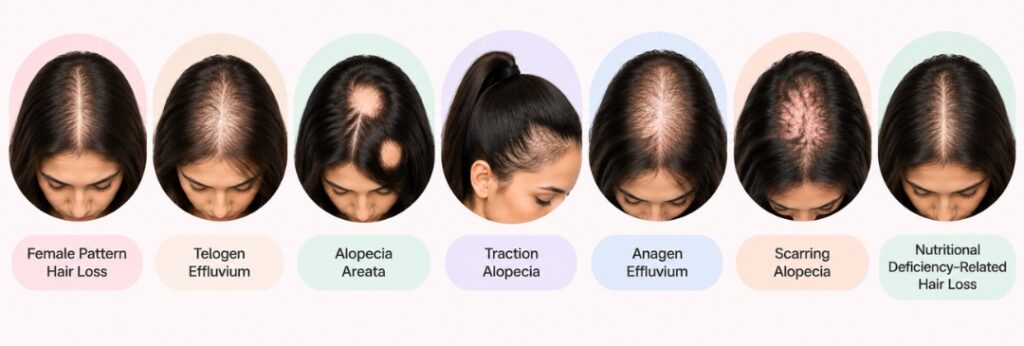
Female hair loss can occur in several patterns and may have different underlying causes. Common types include:
- Female Pattern Hair Loss — widening central part and crown thinning
- Telogen Effluvium — diffuse shedding across the scalp
- Alopecia Areata — sudden, smooth, round patches
- Traction Alopecia — hairline or temple loss from repeated pulling
- Anagen Effluvium — rapid, widespread hair loss
- Scarring Alopecia — hair loss with visible scalp changes or scarring
- Nutritional Deficiency–Related Hair Loss — diffuse thinning associated with nutritional deficiencies
Hair loss in women deserves individual evaluation because the causes can be varied.
Some women notice increased shedding, while others see a widening centre part or reduced density around the crown. Hormonal factors, nutritional issues, recent illness, stress and hereditary factors may all be relevant depending on the patient.
Female hair loss treatment therefore should not simply copy the approach used for male pattern hair loss.
A dermatologist can assess the pattern and decide whether further investigation is appropriate before developing a treatment plan.
When Should You See a Hair Fall Specialist?
Consider a dermatology consultation if you notice:
- Persistent or increasing hair shedding
- A widening hair part
- Progressive crown thinning
- Receding temples or hairline
- Sudden bald patches
- Increasing scalp visibility
- Hair loss accompanied by scalp redness, scaling or irritation
- Loss of eyebrow or body hair
- Hair loss that began after a significant illness or major physical change
Early evaluation does not necessarily mean that you need an aggressive treatment. It simply gives you a better opportunity to understand what is happening.
Hair Loss Treatment Cost in Pune
The cost of hair loss treatment can vary substantially because there is no single procedure applicable to every patient.
The final cost may depend on:
- Type of treatment
- Number of sessions
- Severity and extent of hair loss
- Whether combination treatment is recommended
- Investigations required
- Follow-up requirements
For this reason, quoting one universal price for “hair loss treatment” can be misleading. A consultation allows the treatment plan and associated costs to be discussed according to the individual’s requirements.
Why Choose ETERNIS for Hair Loss Treatment in Pune?
At ETERNIS Skin, Hair, Laser & Aesthetics Clinic, hair-loss care is approached as a dermatological concern rather than simply a cosmetic procedure. The focus is on understanding the patient’s hair and scalp, identifying the likely cause and then selecting an appropriate treatment approach. Book a consultation with us for:
- Dermatologist-led consultation
- Evaluation before treatment
- Individualized treatment planning
- Selection of procedures according to the patient’s needs
- Progress monitoring
- Long-term hair and scalp care
Frequently Asked Questions - FAQs
There is no single best treatment for every type of hair loss. The appropriate approach depends on the cause, pattern and severity of the problem.
Dr. Vijay Adhe & Dr. Pinanky Adhe at Eternis Skin, Hair, Laser & Aesthetics Clinic, Erandwane, Pune
Yes, especially if hair loss is persistent, progressive, sudden or associated with scalp symptoms. A dermatologist can assess both the hair and scalp and determine whether further investigation is needed.
PRP may benefit selected patients with certain forms of hair thinning. Suitability and expected results vary, so it should be considered after an appropriate evaluation.
Neither should automatically be considered superior for every patient. The appropriate choice depends on the diagnosis, stage of hair loss and individual treatment plan.
Many forms of female hair loss can be managed, but treatment depends on the underlying cause. Hormonal, nutritional, medical and hereditary factors may need to be considered.
Costs vary according to the treatment, number of sessions and individual requirements. A personalized consultation is the most reliable way to determine the appropriate treatment and associated cost.
Hair growth is gradual. Depending on the condition and treatment, visible improvement may take several months, making consistent follow-up important.
It depends on the cause. Some forms of hair shedding are temporary, while certain types of progressive hair loss require ongoing management. The earlier the cause is identified, the better the opportunity to discuss appropriate treatment options.