

Acne Treatment in Pune: A Complete Guide by Eternis Skin, Hair, Laser & Aesthetics Clinic
A stubborn breakout right before an important event, a jawline that never seems to clear up, or acne marks that linger long after the pimple is gone — these are the everyday frustrations that bring most people to search for acne treatment in Pune. Acne is one of the most common skin concerns dermatologists see, across every age group from teenagers to adults in their 30s and 40s, and the encouraging part is that with the right diagnosis, it’s almost always manageable.
At Eternis Skin, Hair, Laser & Aesthetics Clinic, we treat acne as a medical condition first — not just a cosmetic inconvenience. This guide walks you through what actually causes breakouts, what triggers make them worse, and what a dermatologist-led treatment plan looks like, so you know what to expect before your first visit.
What Is the Best Acne Treatment in Pune?
There’s no single universal fix — the right treatment depends on your acne type, severity, and skin’s response to previous products. At Eternis, a dermatologist typically builds a plan from a combination of:
- Topical and oral medication (including antibiotics or hormonal therapy where indicated)
- Chemical peels to exfoliate and reduce mild-to-moderate acne
- Comedone extraction to safely clear blackheads and whiteheads
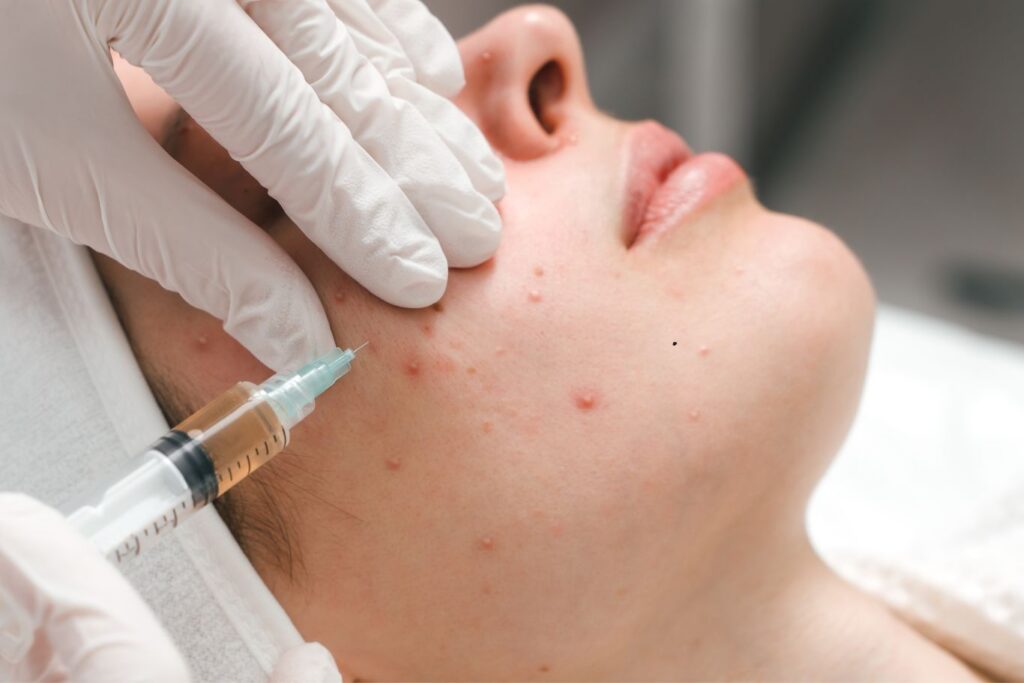
- Intralesional injections for painful cystic or nodular acne
- Laser and light-based therapy to calm active breakouts and reduce marks
- A personalised skincare and diet plan to prevent recurrence
Self-treating persistent acne with random products or salon facials often makes things worse, since it doesn’t address the underlying cause. A proper consultation is what actually shortens your time to clear skin.
What Exactly Is Acne?
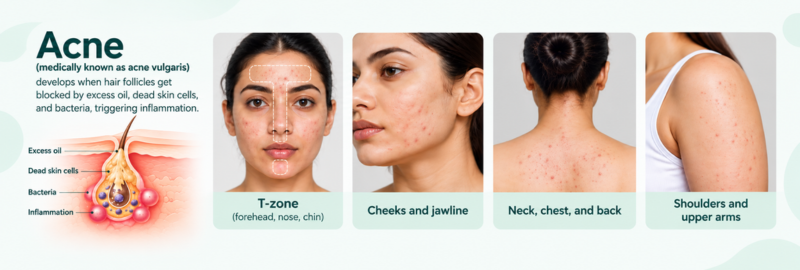
Acne (medically known as acne vulgaris) develops when hair follicles get blocked by excess oil, dead skin cells, and bacteria, triggering inflammation. It commonly shows up in oil-gland-dense areas:
- T-zone (forehead, nose, chin)
- Cheeks and jawline
- Neck, chest, and back
- Shoulders and upper arms
It can appear as blackheads, whiteheads, papules, pustules, or — in more severe cases — painful nodules and cysts that carry a higher risk of scarring if left untreated.
What Causes Acne — and What Makes It Worse?
Core Causes
- Hormonal fluctuations — puberty, menstrual cycles, PCOS, and pregnancy all affect oil production
- Excess sebum production — genetically oilier skin is more prone to clogged pores
- Bacterial overgrowth — Cutibacterium acnes thrives in blocked follicles and drives inflammation
- Genetics — a family history of acne raises your own likelihood of breakouts
Common Triggers That Worsen Breakouts
- High-stress periods and poor sleep
- Sugary, high-glycaemic, or greasy foods
- Humidity, pollution, and Pune’s seasonal weather shifts
- Comedogenic or unsuitable skincare/makeup products
- Touching the face frequently or not cleaning phone screens/pillowcases
- Certain medications, including some steroids
Types of Acne We Commonly Treat
| Type | What It Looks Like |
|---|---|
| Comedonal Acne | Blackheads and whiteheads without much inflammation |
| Papulopustular Acne | Red, inflamed bumps and pus-filled pimples |
| Nodular/Cystic Acne | Deep, painful lumps under the skin with high scarring risk |
| Hormonal Acne | Breakouts along the jawline and chin, often cyclical |
| Post-Acne Pigmentation | Dark or red marks left behind after a breakout heals |
Acne Treatment Options at Eternis Skin, Hair, Laser & Aesthetics Clinic
Once our dermatologist identifies your acne type, severity, and triggers, treatment is built around your skin — not a fixed package. Options typically include:
1. Personalized Skincare & Diet Guidance
A tailored routine and dietary pointers designed around your skin type — often the most underrated part of long-term acne control.
2. Oral and Topical Medication
Prescription-strength retinoids, antibiotics, or hormonal therapy (where clinically appropriate) to control active breakouts and prevent new ones from forming.
3. Chemical Peels
Medical-grade peels exfoliate the skin, unclog pores, and improve texture — effective for mild to moderate acne and post-acne marks.
4. Comedone Extraction
Safe, sterile removal of blackheads and whiteheads using specialised tools, avoiding the scarring risk of at-home popping or salon “extractions.”
5. Intralesional Injections
For painful, deep cystic or nodular acne, targeted injections reduce inflammation quickly and lower the risk of permanent scarring.
6. Laser & Light-Based Therapy
Used as an adjunct treatment once active acne is under control, laser toning helps fade post-inflammatory marks and evens out skin tone.
What Happens During Your First Consultation?
- Skin & History Assessment — Our dermatologist reviews your skin type, acne grade, medical history, and lifestyle factors.
- Cause Identification — Hormonal, bacterial, genetic, or trigger-driven — pinpointing the “why” behind your breakouts.
- Customised Treatment Plan — A combination of therapies matched to your specific acne grade and skin’s tolerance.
- Pre-Care Guidance — Simple prep steps before starting any peel, extraction, or laser session.
- Follow-Up & Adjustment — Your plan is reviewed and fine-tuned as your skin responds over successive visits.
Why Choose Eternis Skin, Hair, Laser & Aesthetics Clinic?
- Dermatologist-led diagnosis — every plan starts with identifying the actual cause, not just treating visible breakouts.
- Combination therapy, not one-size-fits-all — peels, medication, extraction, and laser are combined based on your specific acne grade.
- Scar-prevention focus — inflamed and cystic acne is treated promptly to reduce long-term scarring risk.
- Transparent planning — clear session counts and costs discussed upfront.
- Care beyond the clinic chair — practical skincare and diet guidance built into every treatment plan.
Frequently Asked Questions - FAQs
Active acne can be effectively controlled and often resolved, but the tendency to break out (especially hormonal or genetic acne) can persist. Long-term control usually depends on maintaining the right skincare routine and addressing triggers, not a single one-time treatment.
Salon facials and peels can offer short-term surface improvement, but they don't diagnose or treat the underlying cause, and using the wrong products on active or cystic acne can worsen inflammation and scarring. A dermatologist evaluation is the safer route for anything beyond very mild acne.
Most patients notice a visible reduction in active breakouts within 3–4 weeks, with fuller improvement in skin texture and marks over 2–3 months, depending on severity and consistency with the prescribed routine.
Yes — high-glycaemic and dairy-heavy diets are linked to increased oil production and breakouts in many patients. Our dermatologists factor this into your personalised plan rather than relying on treatment alone.
If breakouts are frequent, painful, leaving marks or scars, or not improving with over-the-counter products after a few weeks, it's time to consult a specialist — untreated moderate-to-severe acne carries a real risk of permanent scarring.
Yes, when performed by a qualified dermatologist using the correct peel strength for your skin type. Self-administering strong peels at home is where most reactions and complications occur.