


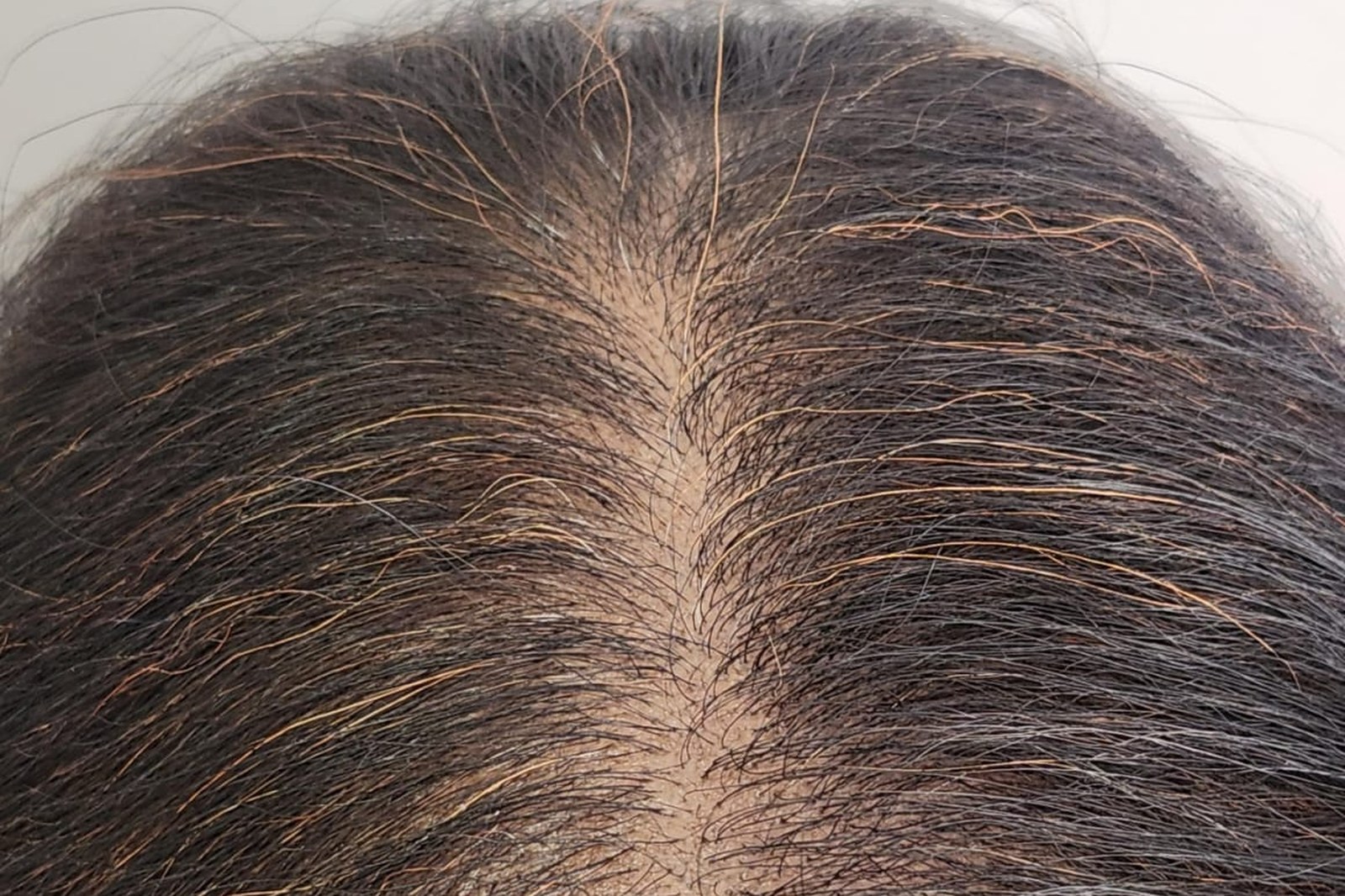
Hair fall is one of the most distressing concerns women bring to the clinic — and one of the most frequently mismanaged. Over-the-counter shampoos, biotin supplements, and scalp oils are rarely the answer, because hair fall is almost always a symptom of something systemic, not a scalp problem in isolation.
Understanding why your hair is falling out requires looking beyond the scalp. Here is a structured way to think about the most common causes in women — and what a clinical workup should include.
Telogen effluvium: the most common cause
Telogen effluvium (TE) is a diffuse, widespread shedding that occurs when a large proportion of hair follicles shift prematurely from the growth phase (anagen) into the resting-then-shed phase (telogen). It is the most common cause of sudden, diffuse hair fall in women.
Common triggers include:
- Major surgery, illness, or hospitalisation — hair falls 2–3 months after the event, not during it
- Rapid weight loss or crash dieting
- Childbirth (postpartum hair fall is a form of TE)
- Extreme psychological stress
- Stopping oral contraceptives
- High fever, including post-COVID shedding
TE is usually self-limiting — if the trigger resolves, shedding slows over 3–6 months. However, if the trigger is ongoing (chronic stress, nutritional deficiency, untreated thyroid disease), shedding continues. This is chronic TE, and it requires identifying and correcting the ongoing cause — not simply treating the hair.
Nutritional deficiency
Iron deficiency — even without frank anaemia — is a significant driver of hair fall in Indian women. Ferritin (stored iron) should ideally be above 70 ng/mL for optimal hair growth; many women presenting with hair fall have ferritin below 20 ng/mL. Vitamin D, B12, and zinc deficiencies can also contribute, particularly in vegetarians.
This is why a blood panel is non-negotiable in a proper hair fall workup. Injecting GFC into an iron-deficient scalp will not produce results if follicles are starved of the nutrients they need to grow.
Hormonal causes
Thyroid dysfunction — both hypo and hyperthyroidism — disrupts the hair growth cycle. PCOS-related androgen excess causes a pattern of thinning at the crown and temples that mimics female androgenetic alopecia. Hormonal shifts around perimenopause also trigger shedding as oestrogen levels decline.
A standard hormonal panel for hair fall in women includes TSH, T3, T4, fasting insulin, testosterone (total and free), and DHEAS. This is part of the bloodwork we request at the first consultation.
Female pattern hair loss (androgenetic alopecia)
Female pattern hair loss (FPHL) presents as progressive thinning at the crown and part line — unlike in men, the hairline is usually preserved. It is more common than widely appreciated, affecting roughly 40% of women by age 50. FPHL is driven by genetic sensitivity to androgens and is a chronic condition that benefits from long-term management rather than a single treatment course.
Trichoscopy (dermoscopy of the scalp) allows us to assess follicle miniaturisation — the hallmark of FPHL — without a biopsy. This guides whether LLLT (low-level laser therapy) or a procedural treatment like GFC is appropriate alongside medical management.
What a proper workup looks like
A thorough hair fall consultation at Eternis includes a detailed history (onset, triggers, diet, medications, cycle regularity), trichoscopy, and a targeted blood panel. Results guide whether treatment is medical (nutritional correction, hormonal management, topical minoxidil), procedural (GFC, LLLT), or a combination.
The goal is a diagnosis before a prescription. If you've been given minoxidil without a ferritin check or thyroid panel, that gap is worth addressing. Book a consultation with Dr. Pinanky Adhe for a diagnosis-first approach to your hair fall.