


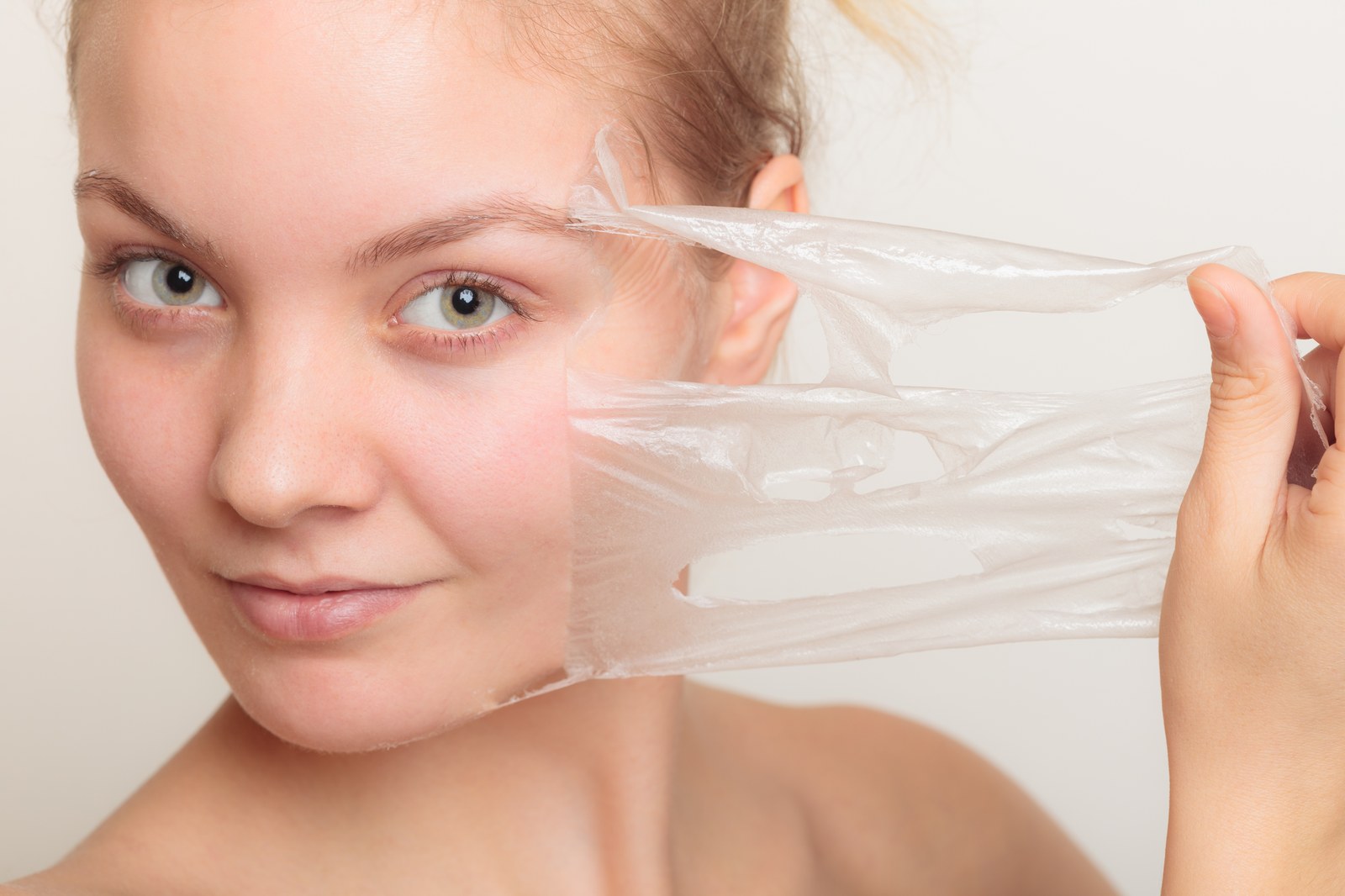
Chemical peels and laser treatments are two of the most commonly requested skin brightening procedures at our clinic — and two of the most frequently confused. Patients often ask which one is better. The more useful question is: which is appropriate for your skin type, concern, and downtime tolerance?
How chemical peels work
Chemical peels use acid solutions — typically glycolic, salicylic, lactic, mandelic, TCA, or combinations thereof — to accelerate skin cell turnover. The acid removes the outer layers of skin at a controlled depth, prompting fresher skin to surface and stimulating the dermis to produce new collagen.
Peels are classified by depth:
- Superficial peels (glycolic, salicylic, mandelic): Target the epidermis only. Minimal downtime — mild flaking for 2–4 days. Safe for Indian skin when concentration and pH are calibrated correctly. Well-suited for PIH, mild uneven tone, dull skin, and active acne.
- Medium peels (TCA 15–35%): Reach the papillary dermis. More significant peeling for 5–7 days. Effective for moderate pigmentation, fine lines, and superficial acne scars. Require careful patient selection on darker skin tones.
- Deep peels (phenol): Rarely used in clinical practice on Indian skin due to a high risk of PIH and prolonged downtime.
How laser treatments work
Lasers deliver concentrated light energy to specific targets in the skin. The target depends on the wavelength chosen:
- Q-Switched Nd:YAG: Targets melanin precisely, making it effective for pigmentation, sun spots, and melasma. Minimal downtime. Safe on Indian skin with appropriate settings.
- Fractional CO2: Creates micro-columns of controlled injury across the skin to stimulate collagen remodelling. The standard for acne scar resurfacing and textural improvement. Requires 5–7 days of downtime and careful post-treatment management on darker skin.
- Erbium: A gentler fractional option than CO2, with faster healing and a somewhat lower degree of collagen stimulation.
Which should you choose?
This depends on what you're trying to address:
- Dull skin and mild uneven tone: A course of superficial peels is typically the first-line recommendation — effective, affordable, and minimal downtime.
- Post-acne PIH and early melasma: Superficial-to-medium peels with appropriate topical preparation. Q-Switched laser as an adjunct for more resistant patches.
- Discrete sun spots and pigmented lesions: Q-Switched laser is more targeted and typically produces faster clearance than a peel alone.
- Atrophic acne scarring and skin texture: Fractional CO2 or RF microneedling. Peels alone will not remodel atrophic scar tissue.
- A combination approach: Many patients benefit from a phased plan — peels to prepare the skin and address surface pigmentation, followed by laser to address deeper structural concerns.
What about downtime?
Superficial peels produce 2–4 days of mild flaking with no significant social downtime. Medium peels produce 5–7 days of visible peeling — plan around events. Q-Switched laser involves minimal downtime, with mild redness for around 24 hours. Fractional CO2 requires 5–7 days of healing and pink skin for 1–2 weeks, with significant sun avoidance for 4 weeks after each session.
A note on Indian skin
Both peels and lasers carry a risk of post-inflammatory hyperpigmentation (PIH) on darker skin tones if used at incorrect parameters. At Eternis, we begin every procedural treatment with a skin preparation phase — typically topical depigmenting agents for 2–4 weeks before any peel or laser session. This pre-conditioning step reduces the PIH risk significantly and improves the quality of results.
If you've been told your skin is too dark for laser, or have experienced PIH after a peel elsewhere, a second opinion is worth seeking. The risk is manageable with the right protocol — it is not a reason to avoid treatment. Book a consultation with Dr. Pinanky Adhe to discuss which approach is right for your skin type and concern.